
Many businesses today still depend on legacy IT systems that were built years ago. While these systems may have worked well in the past, they often struggle to meet modern demands. Slow performance, high maintenance costs, security risks, and limited scalability are common challenges. This is where digital transformation becomes essential, and IT infrastructure services play a major role in making that transition smooth and reliable.
Understanding Legacy Infrastructure Challenges
Legacy infrastructure usually includes outdated servers, old networking equipment, and software that is no longer supported. These systems are hard to upgrade and often require manual processes to keep them running. As businesses grow, legacy setups fail to support new applications, cloud adoption, or remote work needs. Downtime becomes frequent, security gaps increase, and IT teams spend more time fixing problems instead of improving systems.
Modern businesses need flexibility, speed, and resilience. Without upgrading infrastructure, it becomes difficult to compete in fast-moving markets.
The Shift Toward Modern IT Infrastructure
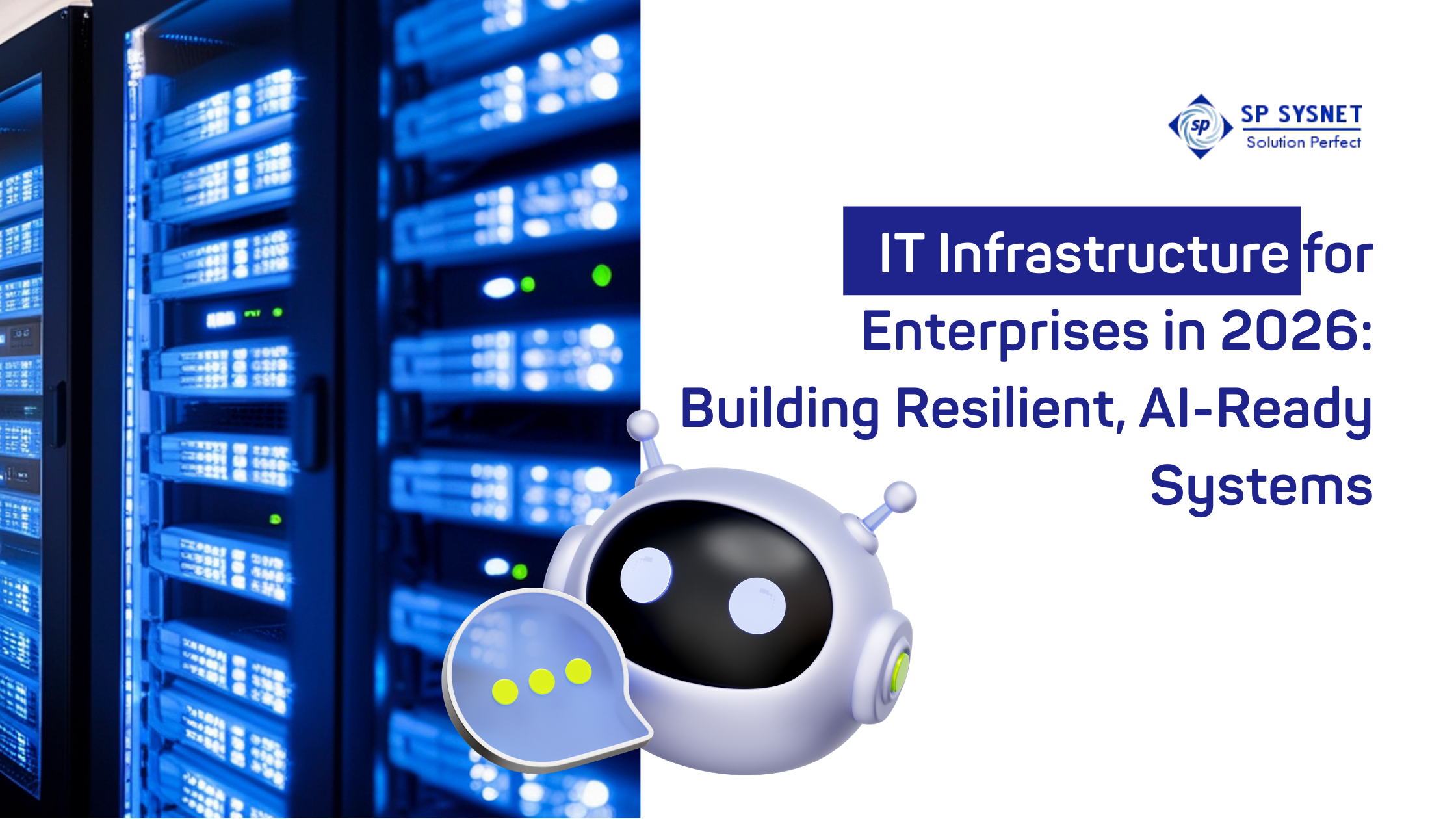
Modern IT infrastructure focuses on automation, virtualization, cloud readiness, and strong security. It supports hybrid and multi-cloud environments, allowing companies to scale resources as needed. Instead of owning and managing everything in-house, businesses can now rely on managed services to optimize performance and reduce operational stress.
This transformation is not just about replacing hardware. It involves redesigning how systems are monitored, maintained, and secured. A skilled IT infrastructure services provider helps organizations move step by step without disrupting daily operations.
Role of Infrastructure Services in Digital Transformation
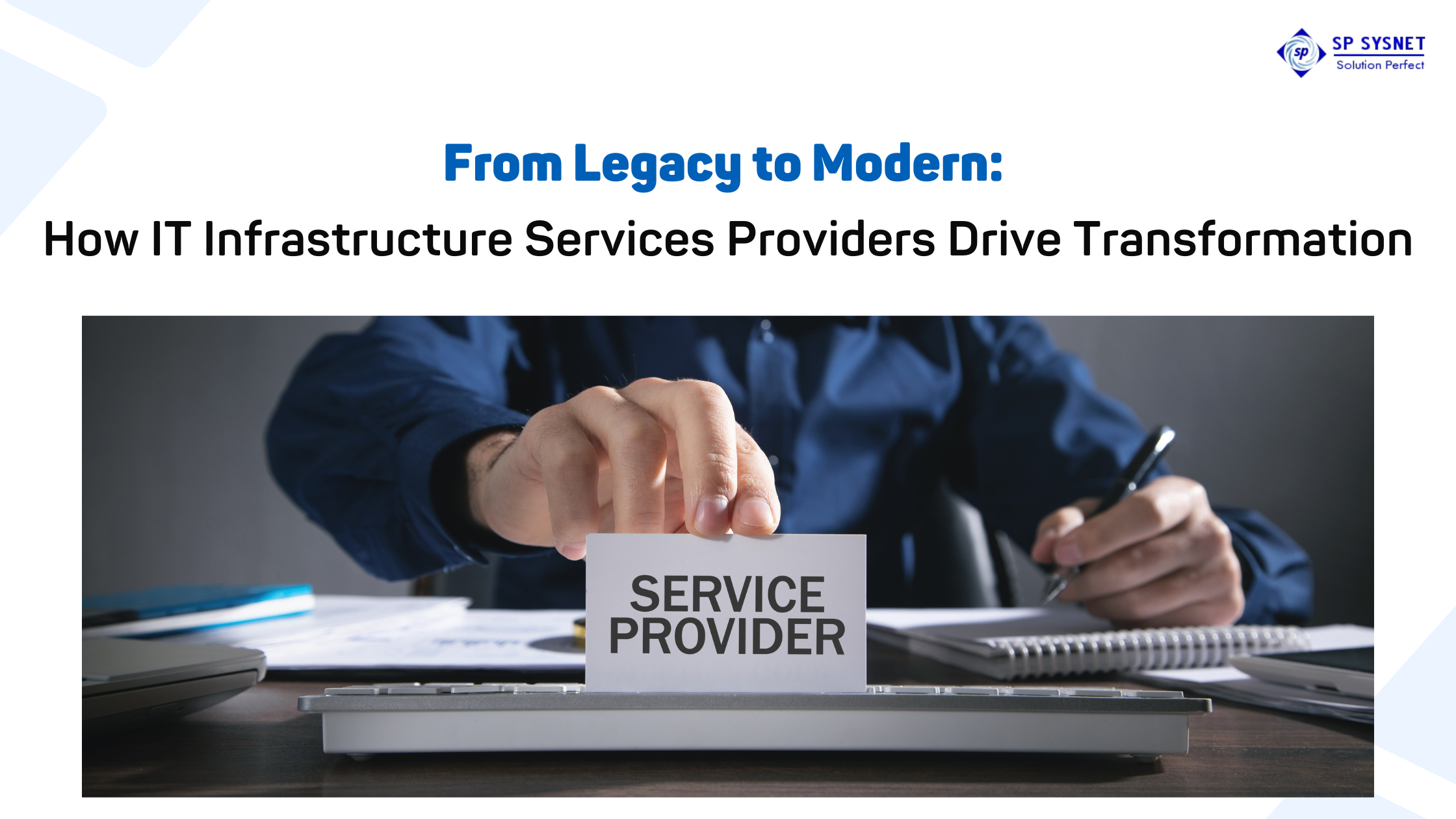
IT infrastructure services providers act as strategic partners rather than just technical vendors. They begin by assessing existing systems and identifying gaps. Based on business goals, they design a roadmap that includes system upgrades, cloud integration, and process automation.
They also help migrate data safely, modernize networks, and implement advanced monitoring tools. With proactive maintenance, issues are detected early, reducing downtime and improving reliability. This structured approach ensures that businesses move from legacy to modern infrastructure with confidence.
Cloud Adoption and Hybrid Environments
One of the biggest drivers of transformation is cloud adoption. Modern infrastructure services help businesses move workloads to the cloud while keeping critical systems on-premise when required. Hybrid environments offer flexibility, cost control, and better performance.
Service providers manage cloud resources, ensure data security, and optimize costs. This allows businesses to focus on innovation instead of worrying about infrastructure management. In markets like IT infrastructure services India, cloud-driven modernization has become a key growth enabler for enterprises of all sizes.
Improving Security and Compliance
Legacy systems are often vulnerable to cyber threats due to outdated security protocols. Modern infrastructure services introduce advanced security frameworks, regular patching, and continuous monitoring. Firewalls, intrusion detection systems, and access controls are integrated into the infrastructure design.
Service providers also help businesses meet compliance requirements by maintaining proper documentation, audits, and security standards. This reduces risk and builds trust with customers and partners.
Cost Efficiency and Operational Benefits
Maintaining legacy infrastructure is expensive. Hardware failures, manual interventions, and energy costs add up quickly. Modern infrastructure services reduce these expenses through automation and optimized resource usage.
With managed services, businesses pay for what they use and avoid large upfront investments. Predictable costs, improved system uptime, and faster issue resolution lead to better overall efficiency. IT teams can shift their focus from routine maintenance to strategic planning.
Supporting Business Growth and Innovation
Modern infrastructure is designed to grow with the business. Whether launching new digital products, expanding to new locations, or supporting remote teams, flexible infrastructure makes it possible. Scalability and performance improvements allow companies to respond quickly to market changes.
By partnering with experienced infrastructure services providers, businesses gain access to expertise, tools, and best practices that would be difficult to maintain internally.
Conclusion
The journey from legacy to modern IT infrastructure is no longer optional. It is a necessary step for businesses that want to stay competitive, secure, and future-ready. With the right strategy and support, organizations can modernize systems without disruption and unlock long-term value. Companies like SP Sysnet play an important role in guiding businesses through this transformation by delivering reliable, scalable, and well-managed IT infrastructure solutions.