

In the era of digital transformation, the performance of network infrastructure directly impacts the success of critical applications in artificial intelligence (AI), high-frequency trading (HFT), and next-generation data centers. At the core of this infrastructure are high-performance NIC solutions, designed to handle massive data flows, ultra-low latency requirements, and real-time processing demands. Organizations that adopt advanced network interface technologies, such as QSFP56 dual-port NIC, unlock new levels of efficiency, scalability, and competitive edge.
Why High-Performance NIC Solutions Matter?
Traditional network interface cards (NICs) are no longer sufficient for workloads that demand ultra-fast data movement and minimal latency. AI workloads, for instance, involve massive parallel computations and continuous model training across distributed hardware. Similarly, HFT platforms require microsecond-level decisions where every nanosecond matters. Data centers, as the heart of modern enterprise computing, must support both of these high-speed use cases while remaining flexible and reliable.
High-performance NIC solutions redefine network throughput and intelligence by offloading critical processing tasks. This reduces CPU burden, accelerates packet delivery, and enhances overall application performance.
Key Features of High-Performance NIC Solutions
- Ultra-High Throughput
Modern AI and HFT environments generate enormous volumes of data. High-performance NICs facilitate data transfer rates far beyond traditional Ethernet speeds, ensuring bandwidth keeps pace with compute and storage systems. - Low Latency
In mission-critical applications like HFT, latency is the difference between profit and loss. Advanced NICs minimize network hops and algorithmic delays, delivering data faster and more reliably. - Advanced Offload Capabilities
By offloading functions like TCP/IP processing, encryption, and packet filtering directly onto the NIC, systems free up CPU cycles for strategic workloads—optimized especially for AI inferencing and real-time analytics. - Scalable Connectivity
Today’s data centers require flexibility to support mixed networking speeds from 10G to 400G and beyond. High-performance NIC solutions enable seamless scaling without compromising performance.
- Enhanced Reliability and Resilience
Fault tolerance and high availability are built into modern NIC architectures, ensuring uninterrupted connectivity even under heavy loads or network stress.
The Role of QSFP56 Dual-Port NIC in Modern Networks
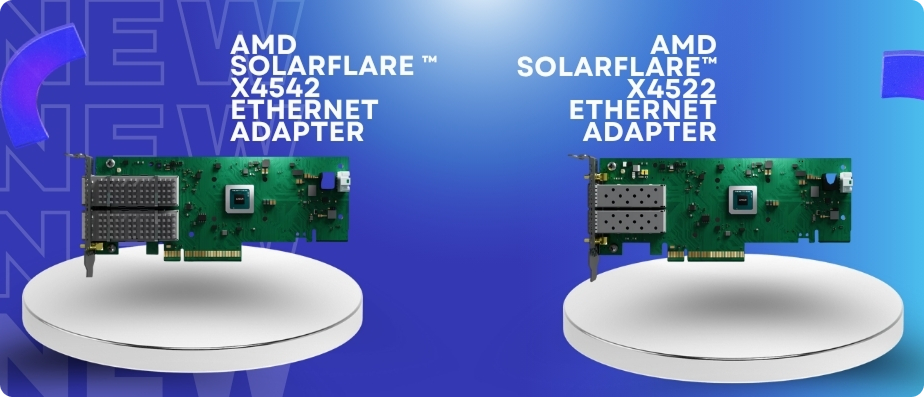
One breakthrough in networking hardware is the QSFP56 dual-port NIC, a powerful solution tailored for high-demand environments. Offering dual connectivity channels over a single interface, QSFP56 dual-port NICs deliver up to 200Gbps aggregate bandwidth, combining speed and flexibility in a compact design.
Here’s how they elevate network performance:
- Dual-Port Efficiency: Running two high-speed links in parallel reduces network congestion, provides redundancy, and enhances data path options for load balancing.
- Optimized for AI & ML: The QSFP56 dual-port NIC supports the massive data transfers required by distributed machine learning frameworks and GPU clusters.
- Low Latency Operations: With hardware acceleration and efficient signal processing, these NICs ensure data packets reach their destination with minimal delay—a must for HFT systems.
- Future-Ready Architecture: As enterprises gear up or even higher networking standards, the modular nature of QSFP56 ensures compatibility and scalability for future upgrades.
High-Performance NICs in AI Workloads
AI applications, especially those involving deep learning and real-time analytics, depend on faster data movement between storage, compute nodes, and GPUs. High-performance NIC solutions enable:
- Rapid dataset distribution across nodes
- Lower training times due to reduced network bottlenecks
- Efficient model deployment in production environments
By reducing wait times and increasing interconnect efficiency, data scientists and engineers can focus on innovation rather than infrastructure constraints.
High-Performance NICs in HFT & Data Centers
For HFT firms operating on razor-thin margins, network latency is non-negotiable. High-performance NICs lower round-trip times and optimize data flow to trading engines. In data centers, these solutions support dynamic workload balancing, resilient architecture, and cost-effective scaling—ensuring availability and performance for enterprise services.
Choosing the Right High-Performance NIC Solution
Selecting the right solution requires thorough evaluation of workload patterns, networking speeds, and future growth plans. Considerations include:
- Compatibility with existing infrastructure
- Support for advanced protocols and offload features
- Vendor reliability and support services
High-performance NIC solutions are investments in network intelligence one that pays off through improved performance, reduced latency, and accelerated innovation.
Conclusion
As AI, HFT, and data center computing continue to advance, high-performance NIC solutions such as the QSFP56 dual-port NIC have become indispensable tools for enterprises seeking peak network performance. By enabling ultra-high throughput, low latency, and advanced offloads, these technologies empower organizations to meet the demands of modern digital workloads.
For industry-leading high-performance networking hardware and expert consultation, trust SP Sysnet to deliver solutions tailored to your most demanding infrastructure needs.