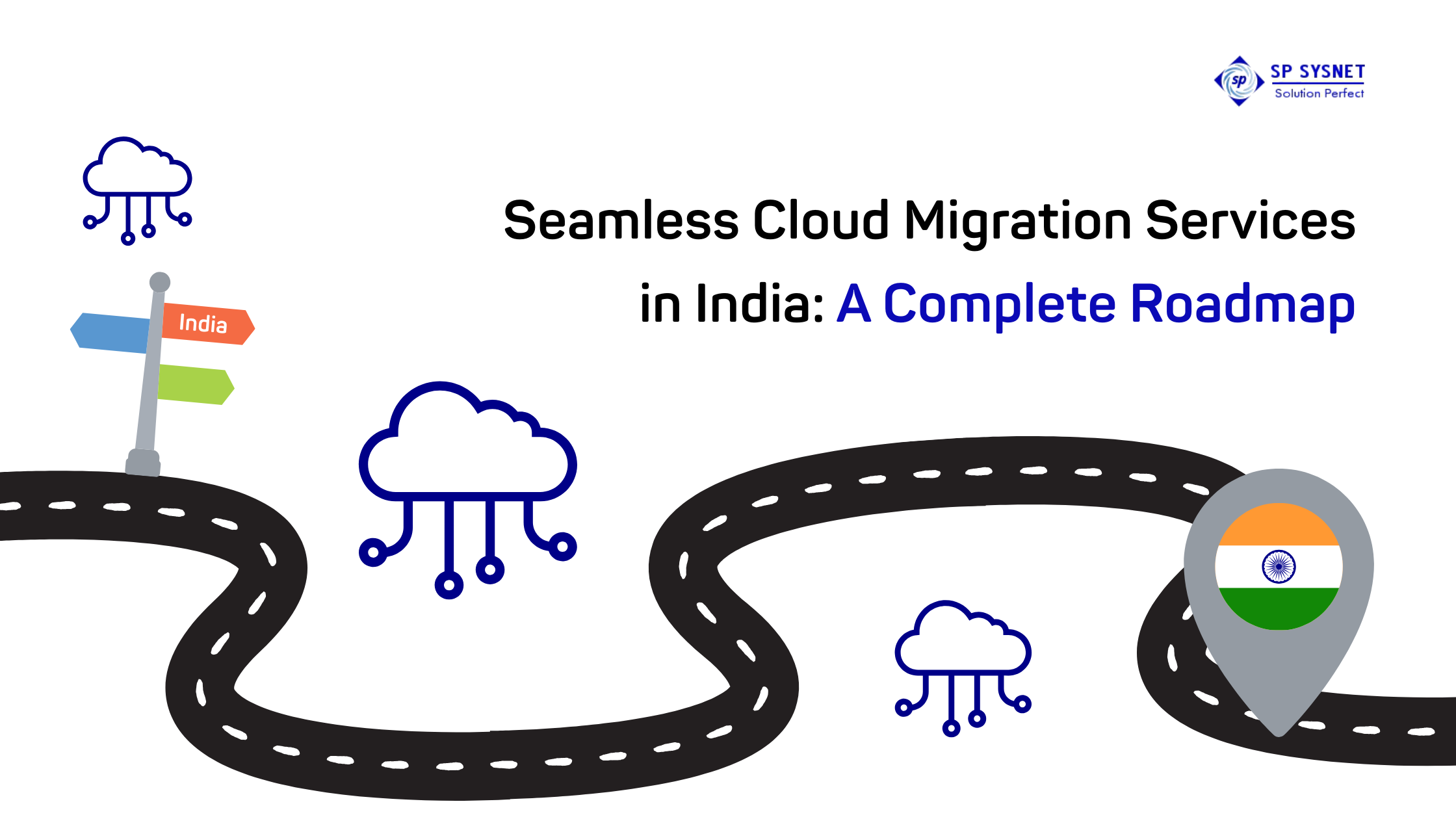

Businesses in India are moving to the cloud faster than ever before. Whether it’s a startup, an SME, or a large enterprise, every organisation wants better performance, stronger security, and the flexibility to scale. This is where Cloud Migration Services in India play a vital role. With the right roadmap, companies can move their applications, data, and workloads to the cloud smoothly and without disruption.
This guide explains the full cloud migration journey in simple words, helping you understand each step clearly.
Why Cloud Migration Matters?
Today, businesses generate large amounts of data and need systems that can handle growth. On-premise servers are expensive to maintain, difficult to scale, and often slow down operations.
By adopting Cloud Migration Services, companies can enjoy:
- Lower IT costs
- Better security
- Increased scalability
- Automatic updates
- Improved business continuity
- Faster innovation
The key is following a proper roadmap that ensures a smooth and seamless shift.
Step 1: Understanding the Need for Migration
The first step is analysing why your business needs the cloud. Companies usually migrate because:
- Their current systems are outdated
- They need better speed and performance
- They want to support remote teams
- They want to protect their data
- They need a secure and scalable platform
A clear understanding of these needs helps define the right cloud strategy.
Step 2: Assessing Your Current IT Environment
A successful cloud journey begins with a detailed assessment. During this phase, cloud experts review:
- Applications
- Databases
- Storage
- Network
- Security requirements
This helps identify what can be easily moved, what must be rebuilt, and what should stay on-premises.
A proper assessment reduces risk and ensures a smooth migration later.
Step 3: Choosing the Right Cloud Model
Businesses have several cloud options, and choosing the right one is extremely important. The three most common models are:
1. Public Cloud
Highly scalable, cost-effective, and ideal for most businesses.
2. Private Cloud
Dedicated to one organisation, offering more control and security.
3. Hybrid Cloud
A mix of both public and private clouds, suitable for companies with sensitive data.
Experts offering Cloud Migration Services in India help organisations compare these models and decide the best fit based on budget, goals, and technical requirements.
Step 4: Creating a Cloud Migration Strategy
A migration strategy defines how the company will move to the cloud. The most common strategies include:
Lift and Shift
Moving applications as they are, without major changes. Fast and cost-effective.
Re-platforming
Making small improvements to optimise cloud performance.
Re-architecting
Rebuilding applications to fully take advantage of cloud features.
The right strategy depends on the complexity of applications and long-term business goals.
Step 5: Planning the Migration Roadmap
A detailed roadmap ensures that migration tasks are clear and organised. This plan includes:
- Migration timelines
- Resource allocation
- Security measures
- Data backup and recovery plan
- Testing procedures
A structured plan avoids delays and ensures that business operations run smoothly during migration.
Step 6: Executing the Migration
This is the most crucial step. It includes:
1. Data Migration
Transferring data from on-premise systems to the cloud while ensuring accuracy and security.
2. Application Migration
Applications are moved using the selected strategy—lift-and-shift, re-platform, or re-architect.
3. Infrastructure Migration
Setting up cloud servers, networks, and storage.
Experts offering Cloud Migration Services ensure minimal downtime during this phase so that daily operations are not affected.
Step 7: Testing After Migration
Once everything is moved, proper testing is required to ensure everything works perfectly. Testing includes:
- Application performance testing
- Security testing
- Data validation
- Load and stress testing
- Compatibility checks
Testing ensures the cloud environment is stable, secure, and fully functional.
Step 8: Optimisation and Monitoring
Migration doesn’t end after moving to the cloud. Continuous monitoring is essential to ensure long-term success.
Optimisation includes:
- Reducing unnecessary costs
- Improving the speed of applications
- Managing storage and network usage
- Enhancing security policies
With proper monitoring, businesses can enjoy the full benefits of the cloud without overspending.
Key Benefits of Seamless Cloud Migration Services in India
Here’s how a seamless migration transforms a business:
- Faster performance and low latency
- Strong data security and compliance
- Better customer experience
- Business agility and faster time-to-market
- Remote work support
- Built-in disaster recovery
- Future-ready infrastructure
These advantages make cloud adoption not just a trend but a long-term business essential.
Why Partner with Professional Cloud Experts?
Cloud migration is a technical process that needs knowledge, tools, and experience. Professional teams bring:
- Expertise in all major cloud platforms
- Smooth and risk-free migration
- Zero data loss
- Reduced downtime
- Strong security frameworks
- Proper cost management
This ensures your business gets the best possible cloud performance without unnecessary challenges.
Conclusion
A smooth shift to the cloud is possible when businesses follow the right roadmap—from assessment to execution and optimisation. With the rising demand for Cloud Migration Services in India, organisations across all industries are embracing the cloud to stay competitive, secure, and future-ready.
By choosing the right experts, companies can enjoy a seamless experience with improved efficiency and reduced costs. If your business is ready to move forward with reliable and well-planned Cloud Migration Services, partnering with trusted specialists like SP Sysnet ensures a secure and successful journey to the cloud.