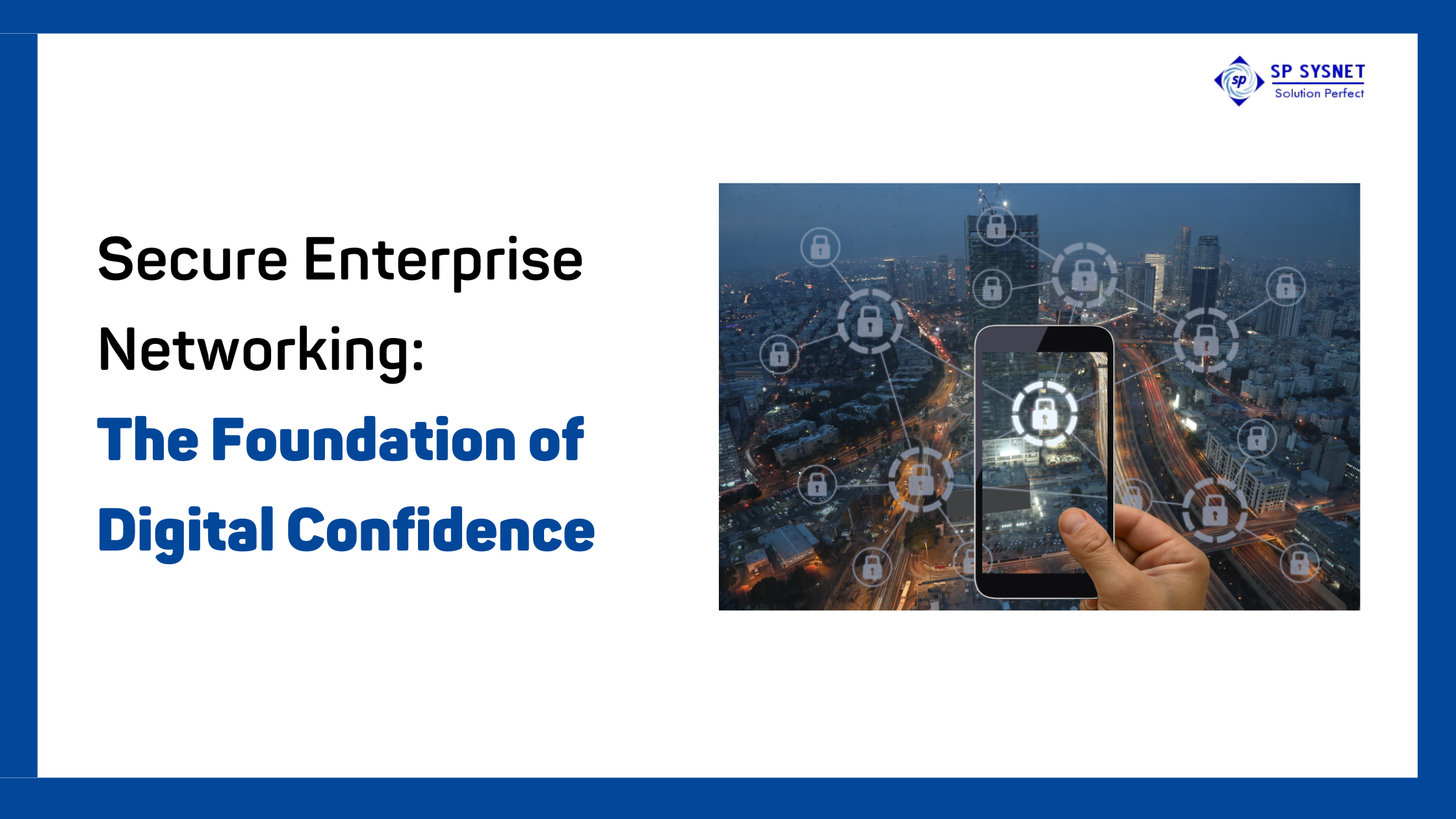

In today’s fast-moving digital world, businesses depend heavily on their networks to operate smoothly, stay competitive, and protect valuable data. From cloud applications and remote work to real-time communication and data sharing, everything relies on a strong and reliable network. This is where secure enterprise networking becomes essential. It forms the backbone of modern IT systems and builds the digital confidence organizations need to grow without fear.
Why Enterprise Networks Matter More Than Ever?
Enterprise networks are no longer limited to office buildings and on-premise servers. They now extend across cloud platforms, mobile devices, branch offices, and remote work environments. While this flexibility boosts productivity, it also increases exposure to cyber risks. Hackers, data breaches, ransomware, and internal threats are becoming more sophisticated each year.
A secure network ensures that employees can access the tools they need while keeping sensitive information protected. Without strong security at the network level, even the best software and policies can fail.
Understanding Secure Enterprise Networking
Secure enterprise networking focuses on protecting data as it moves across an organization’s digital infrastructure. It combines hardware, software, policies, and best practices to prevent unauthorized access, detect threats early, and respond quickly when issues arise.
This approach goes beyond basic firewalls. It includes secure routing, encrypted connections, identity-based access, network segmentation, and continuous monitoring. When implemented correctly, secure enterprise networking allows businesses to operate with confidence, knowing their systems are protected at every layer.
The Role of Secure IT Networking in Business Continuity
Downtime and data loss can be extremely costly. A single network breach can disrupt operations, damage reputation, and lead to compliance issues. Secure IT networking plays a critical role in maintaining business continuity by ensuring that systems remain available, resilient, and protected against attacks.
With secure networking in place, organizations can:
- Reduce the risk of cyberattacks and data leaks
- Maintain consistent performance and uptime
- Support remote and hybrid work securely
- Meet regulatory and compliance requirements
- Protect customer trust and brand reputation
By building security directly into the network, businesses avoid reactive fixes and instead adopt a proactive defense strategy.
Key Components of a Secure Enterprise Network
A strong enterprise network security strategy is built on several core elements:
- Network Segmentation
Dividing the network into smaller segments limits the spread of threats. If one area is compromised, the rest of the network remains protected. - Access Control and Authentication
Role-based access ensures users only see what they need. Strong authentication methods, such as multi-factor authentication, add an extra layer of protection. - Encryption
Encrypting data in transit prevents attackers from reading sensitive information, even if they intercept network traffic. - Continuous Monitoring and Threat Detection
Real-time monitoring tools help detect unusual behavior early, allowing teams to respond before serious damage occurs. - Secure Cloud and Remote Connectivity
With more businesses using cloud platforms and remote access, secure VPNs and zero-trust models are essential for safe connectivity.
Building Digital Confidence Through Network Security
Digital confidence means trusting your systems to support growth, innovation, and change. When businesses know their networks are secure, they can adopt new technologies, scale operations, and collaborate more freely.
A secure network also empowers employees. They can work from anywhere without worrying about exposing company data. Customers, partners, and stakeholders gain confidence knowing their information is handled responsibly.
In this way, secure enterprise networking becomes not just an IT requirement, but a strategic business advantage.
Adapting to Evolving Cyber Threats
Cyber threats are constantly evolving, and static security measures are no longer enough. Modern networks must be flexible and intelligent. This includes using automation, analytics, and policy-driven controls to adapt to new risks.
Organizations that invest in secure IT networking are better prepared to handle emerging challenges such as ransomware attacks, insider threats, and supply chain vulnerabilities. Security becomes an ongoing process rather than a one-time setup.
Conclusion
In a digital-first economy, a secure network is the foundation of trust, resilience, and long-term success. Businesses that prioritize secure enterprise networking are better equipped to protect their data, support modern work environments, and confidently embrace digital transformation. By building security into the core of their infrastructure, organizations can move forward with assurance and stability—and with the right expertise and solutions from partners like SP Sysnet, that confidence becomes a lasting competitive strength.