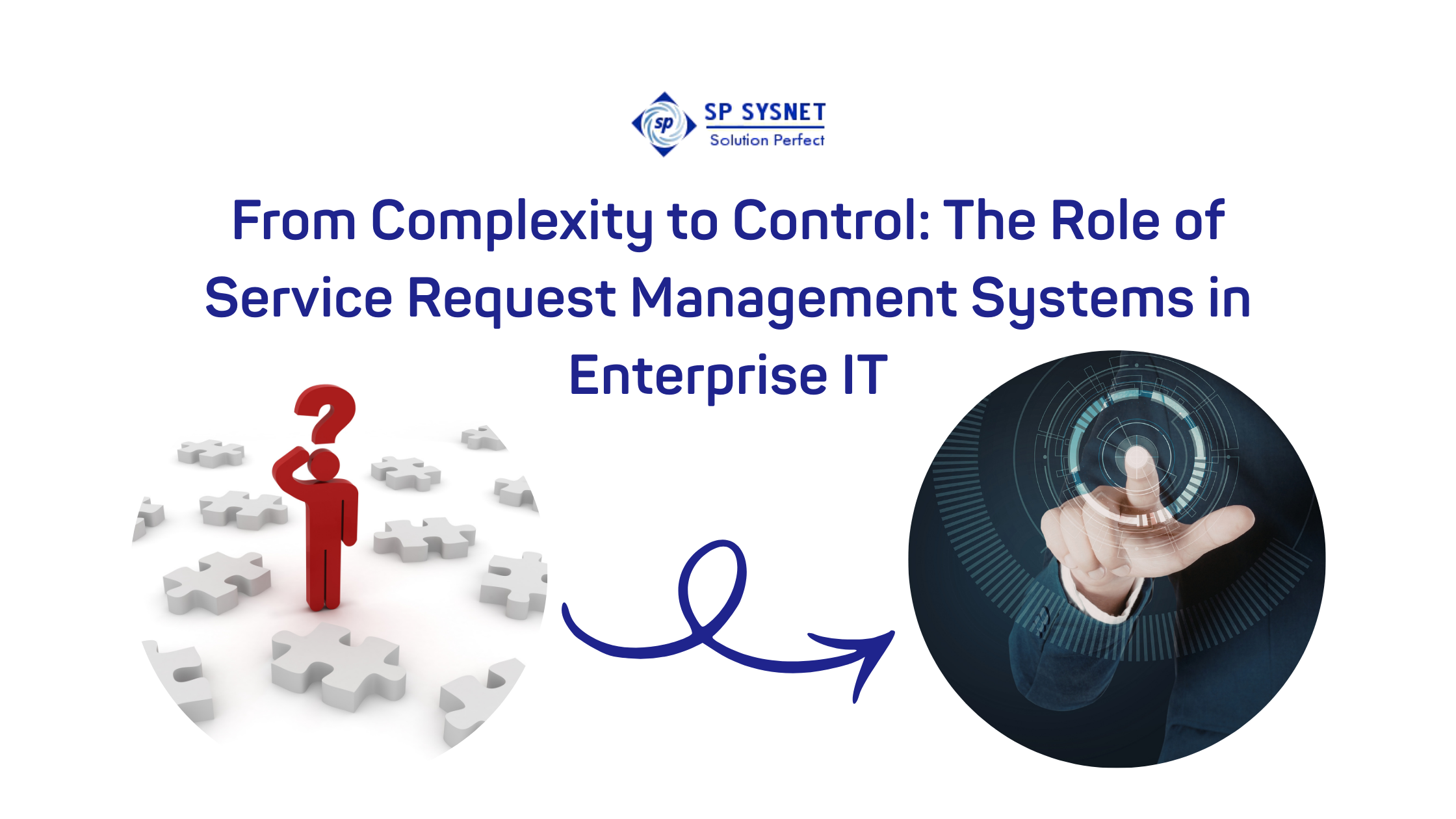

As organizations continue to rely heavily on digital infrastructure, IT teams are under increasing pressure to deliver faster, more reliable support. In 2026, businesses are no longer managing a handful of IT tickets they are handling complex service demands across cloud platforms, remote workforces, and integrated enterprise systems. This is where a service request management system In India plays a vital role in simplifying IT operations and improving overall efficiency.
Understanding Service Request Management System
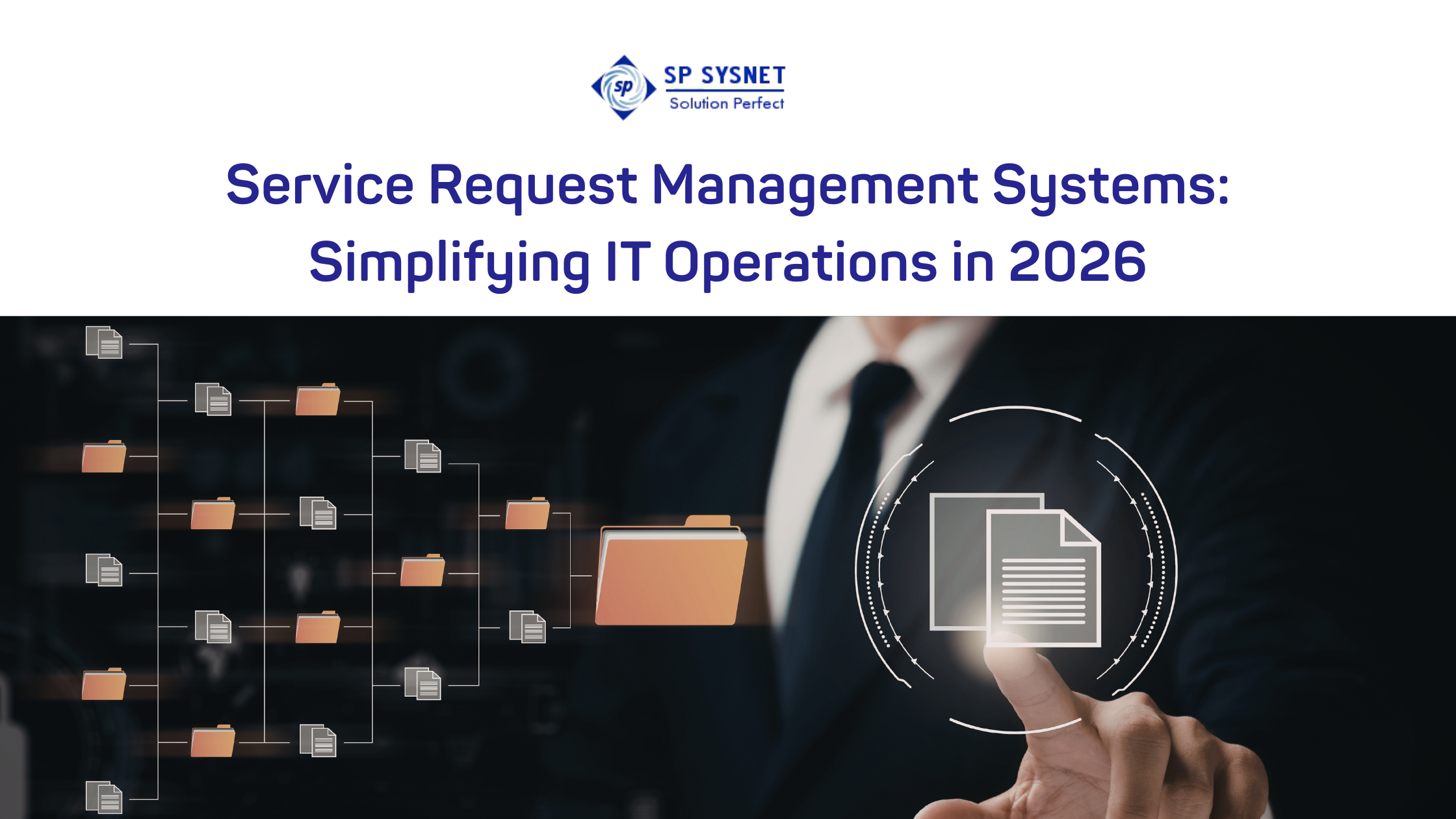
A service request management system is a structured platform that allows employees or customers to request IT services in a standardized way. These requests may include software access, hardware provisioning, password resets, application support, or system upgrades. Instead of relying on emails or manual tracking, all requests are logged, categorized, prioritized, and resolved through a centralized system.
In 2026, these systems will be more intelligent, automated, and user-friendly than ever before. They are designed not just to resolve issues but to streamline workflows and enhance the service experience for everyone involved.
Why IT Operations Need Simplification in 2026?
Modern IT environments are more complex due to hybrid work models, multi-cloud infrastructures, and growing cybersecurity requirements. Without proper tools, IT teams risk delays, errors, and service disruptions. A service request management system brings clarity and control by offering a single source of truth for all service-related activities.
By automating repetitive tasks and enforcing standardized processes, IT teams can focus on strategic initiatives instead of routine administrative work.
Key Features Driving Efficiency
One of the biggest advantages of a service request management system is automation. Common service requests can be fulfilled automatically through predefined workflows, reducing response times significantly. For example, user access requests can be approved and provisioned without manual intervention.
Self-service portals are another critical feature. Employees can submit requests, track progress, and access knowledge articles without contacting IT directly. This reduces ticket volume and improves user satisfaction.
Advanced reporting and analytics also help IT leaders monitor performance, identify bottlenecks, and continuously optimize operations.
Enhancing User Experience and Productivity
In 2026, user experience is a top priority. A well-designed service request management system ensures that users know exactly where to submit requests and what to expect. Clear communication, automated notifications, and faster resolutions improve trust in IT services.
When IT services run smoothly, employees can focus on their core responsibilities. This directly boosts productivity and reduces frustration caused by system downtime or delayed support.
Integration with Modern IT Ecosystems
Today’s service request management systems are built to integrate seamlessly with other enterprise tools such as asset management, monitoring platforms, cloud services, and security solutions. This integration allows IT teams to respond proactively to issues and manage resources more effectively.
For organizations working with a reliable technology solution provider In India, these systems can be customized to align with specific business goals, industry requirements, and compliance standards.
Supporting Scalability and Future Growth
As businesses grow, IT demands increase. A scalable service request management system adapts easily to higher request volumes, new services, and evolving technologies. Whether an organization is expanding its workforce or adopting new digital tools, the system ensures consistent service delivery without added complexity.
Conclusion
In 2026, efficient IT operations are no longer optional—they are essential for business success. A modern service request management system simplifies workflows, improves service quality, and empowers IT teams to operate proactively. By partnering with an experienced technology solution provider, organizations can implement systems that are secure, scalable, and future-ready. For businesses looking to streamline IT service delivery and stay ahead in a digital-first world, solutions supported by experts like SP Sysnet offer a practical and reliable path forward.