
Financial markets operate at extraordinary speed where milliseconds can determine profitability. Trading firms competing in algorithm driven environments depend on robust technology ecosystems to execute orders faster than competitors. Organizations working with experienced partners such as Sp Sysnet recognize that precision infrastructure is the backbone of modern trading environments. Performance, reliability, and security must function together without compromise to support consistent results in competitive markets. In this environment, HFT Infrastructure Providers play a critical role in delivering advanced systems designed for rapid execution and minimal delay.
The Need for Speed in Modern Financial Markets
High frequency trading relies on automated algorithms that analyze market data and execute trades in fractions of a second. The ability to process information and respond instantly determines trading advantage. Ultra low latency infrastructure ensures that market data is received, processed, and acted upon faster than competing systems. Even microsecond delays can impact profitability. As trading volumes increase, infrastructure must handle vast streams of data without degradation in performance. This demand requires carefully designed server environments, optimized connectivity, and consistent monitoring to maintain peak efficiency.
Designing Infrastructure for Ultra Low Latency
Low latency environments begin with hardware optimization. Specialized server configurations are tuned to minimize processing delays and maximize throughput. High performance components ensure that systems operate consistently under heavy workloads. Equally important is network optimization. Proximity to exchange data centers, streamlined routing paths, and efficient data handling reduce transmission time. Every layer of the system must contribute to speed without introducing bottlenecks. Reliable infrastructure ensures predictable performance, which is essential in financial markets where volatility is constant.
The Role of High Performance Servers
At the heart of algorithmic trading environments are High frequency trading servers. These systems are designed for maximum computational efficiency and minimal response time. Such servers typically incorporate:
- Optimized processors for rapid calculations
- Low latency memory architecture
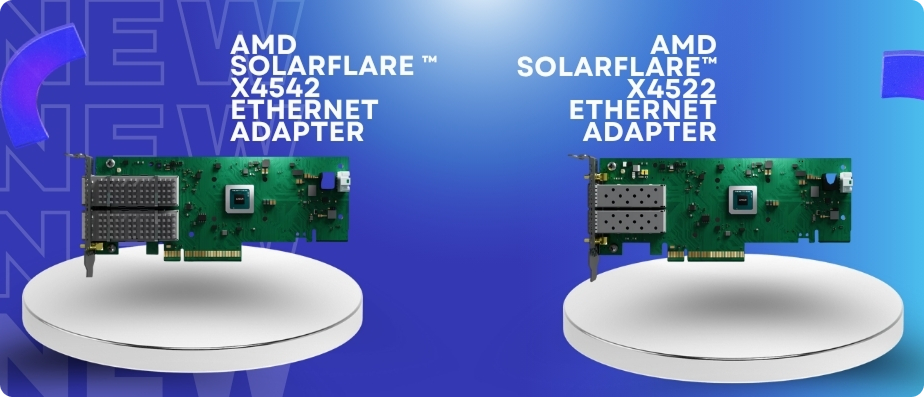
- High speed network interfaces
- Dedicated storage for fast data access
These components work together to process incoming market data and execute orders with precision. The goal is not only speed but consistency under varying market conditions.
Network Infrastructure Management in Trading Environments
Reliable connectivity is fundamental in trading operations. Any disruption or latency spike can affect execution quality. Network Infrastructure Management ensures continuous monitoring and optimization of communication channels. Advanced monitoring tools identify irregular traffic patterns and performance issues before they impact trading activity. Redundant connections and load balancing further enhance reliability. Strong networking frameworks support seamless data exchange between trading systems and exchange platforms.
Managed Cloud Infrastructure for Scalability
While high frequency trading often relies on colocated environments near exchanges, cloud technology plays an increasing role in supporting analytics, testing, and data storage. Managed Cloud Infrastructure provides scalable computing resources for back testing strategies and processing historical market data. Cloud environments allow firms to analyze vast datasets without investing in additional physical hardware. Integration between on site trading systems and cloud platforms ensures efficient operations across all stages of trading workflows.
Cyber Security in High Speed Trading
Financial systems are prime targets for cyber threats. Protecting sensitive trading algorithms and market data is essential. Cyber Security Services safeguard trading infrastructure through access controls, continuous monitoring, and secure communication protocols. Strong security measures prevent unauthorized access and reduce operational risk. Security must function without adding latency, requiring careful balance between protection and performance.
Data Backup and Disaster Recovery Planning
Even in ultra fast trading environments, resilience remains critical. Hardware failures or unexpected incidents can disrupt operations. Data Backup and Disaster Recovery solutions ensure trading systems can recover quickly with minimal downtime. Regular backups and redundant configurations provide continuity even during unexpected events. Preparedness strengthens confidence and protects trading performance in unpredictable scenarios.
End User Computing for Operational Control
While automated systems drive execution, human oversight remains essential. Traders and analysts require secure and efficient access to monitoring dashboards and analytical tools. End User Computing solutions provide centralized management of user devices and access permissions. Secure access ensures operational control without compromising system integrity. Efficient user environments support decision making and strategic oversight in dynamic market conditions.
Continuous Monitoring and Optimization
Financial markets evolve constantly, requiring infrastructure to adapt in real time. Continuous monitoring allows trading firms to analyze system performance and identify areas for improvement. Performance metrics such as latency, throughput, and error rates are tracked consistently. Optimization efforts maintain competitive advantage and ensure systems operate at peak capacity. Collaboration with experienced HFT Infrastructure Providers helps firms stay ahead in an environment where technology directly impacts profitability.
Future Trends in Trading Infrastructure
Advancements in analytics and automation continue to influence trading strategies. As algorithms become more sophisticated, infrastructure requirements increase. Emerging technologies demand faster data processing and greater scalability. Firms must prepare for higher data volumes and more complex strategies while maintaining reliability. Investment in resilient architecture ensures readiness for evolving market conditions and technological innovation.
Conclusion
Financial markets reward precision, speed, and resilience. Infrastructure built for ultra low latency execution enables High frequency trading servers to compete effectively in fast paced environments. From specialized server environments and optimized networking to secure cloud integration and disaster recovery planning, every component contributes to operational excellence. By combining Network Infrastructure Management, Managed Cloud Infrastructure, Cyber Security Services, Data Backup and Disaster Recovery, and End User Computing, HFT Infrastructure Providers create ecosystems capable of supporting advanced strategies. With guidance from experienced partners like Sp Sysnet, organizations can deploy high performance environments that sustain growth and competitive strength in modern financial markets.