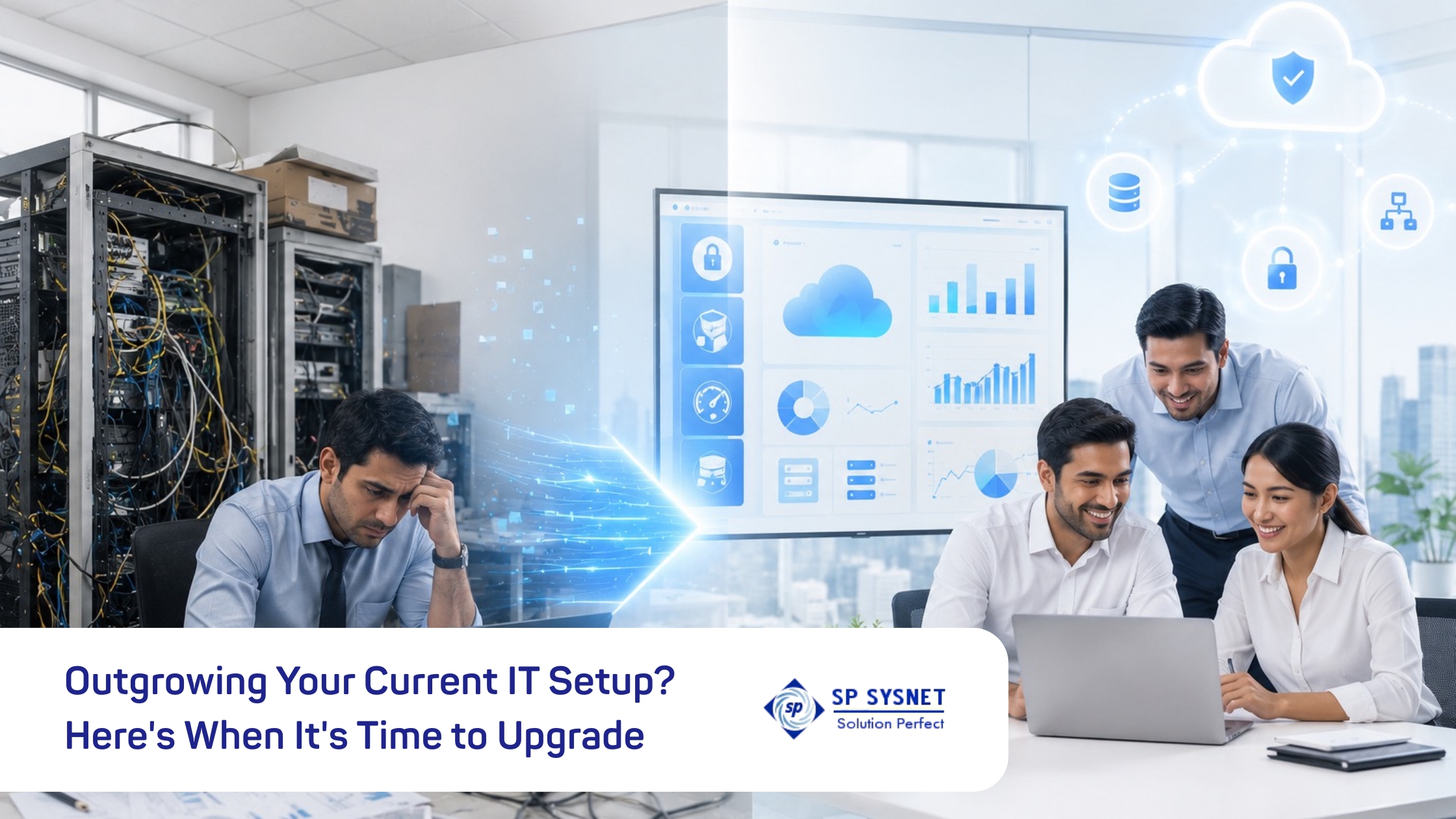

Most businesses don’t wake up one morning to find that their IT infrastructure has suddenly become outdated. It happens little by little.
A server starts taking longer to process requests. Employees complain that applications are slower than they used to be. Your IT team spends more time fixing recurring issues than working on improvements. Before long, technology that once supported your business starts getting in the way.
This is something we see quite often. Many companies continue using legacy systems because they’re familiar and still technically work. But as the business grows, those same systems become harder to maintain, more expensive to support, and less capable of handling modern workloads.
That’s where IT Infrastructure Services Singapore become valuable. Instead of waiting for systems to fail, businesses can assess their current environment, identify weak points, and create a practical roadmap for modernization.
At SP Sysnet, we believe upgrading infrastructure isn’t about buying the latest technology for the sake of it. It’s about building an IT environment that helps your business operate efficiently today while preparing for tomorrow.
Small Problems Often Point to Bigger Issues
Outdated infrastructure rarely causes one major failure. Instead, it creates lots of smaller problems that slowly affect the way people work.
You may notice employees waiting longer for files to open or applications to load. Routine maintenance starts happening more often, and unexpected downtime becomes increasingly common. Integrating new software becomes complicated because older systems simply weren’t designed to work with today’s technologies.
Many businesses also discover that supporting remote work, cloud applications, or growing teams becomes far more difficult than it should be.
Some common warning signs include:
- Applications are noticeably slower than before.
- Systems freeze or crash more frequently.
- Hardware is becoming expensive to maintain.
- Your infrastructure struggles during busy periods.
- Older software no longer receives security updates.
- New cloud applications don’t integrate properly.
If these issues sound familiar, your infrastructure may no longer be supporting your business as effectively as it once did.
The Hidden Cost of Waiting
One of the biggest misconceptions is that delaying an infrastructure upgrade saves money.
In reality, outdated systems often cost businesses far more than they realise.
Older hardware usually requires frequent repairs. Legacy software demands additional maintenance. Employees lose valuable time dealing with slow systems, while IT teams spend countless hours fixing recurring problems instead of working on projects that add value.
Security is another growing concern. Once vendors stop releasing updates for older systems, every unpatched vulnerability becomes a potential entry point for cyber threats.
There’s also the challenge of innovation. Businesses increasingly rely on cloud platforms, automation, collaboration tools, and data analytics. Legacy infrastructure often struggles to support these technologies, making digital transformation slower, more expensive, and far more complicated.
In a competitive market like Singapore, falling behind technologically can eventually affect customer experience, operational efficiency, and long-term growth.
What Does Modern IT Infrastructure Actually Look Like?
When people hear the term Modern IT Infrastructure, they often think it simply means moving everything to the cloud. In reality, it’s much broader than that.
Modern infrastructure is about creating an IT environment that’s flexible, secure, and ready to adapt as your business changes.
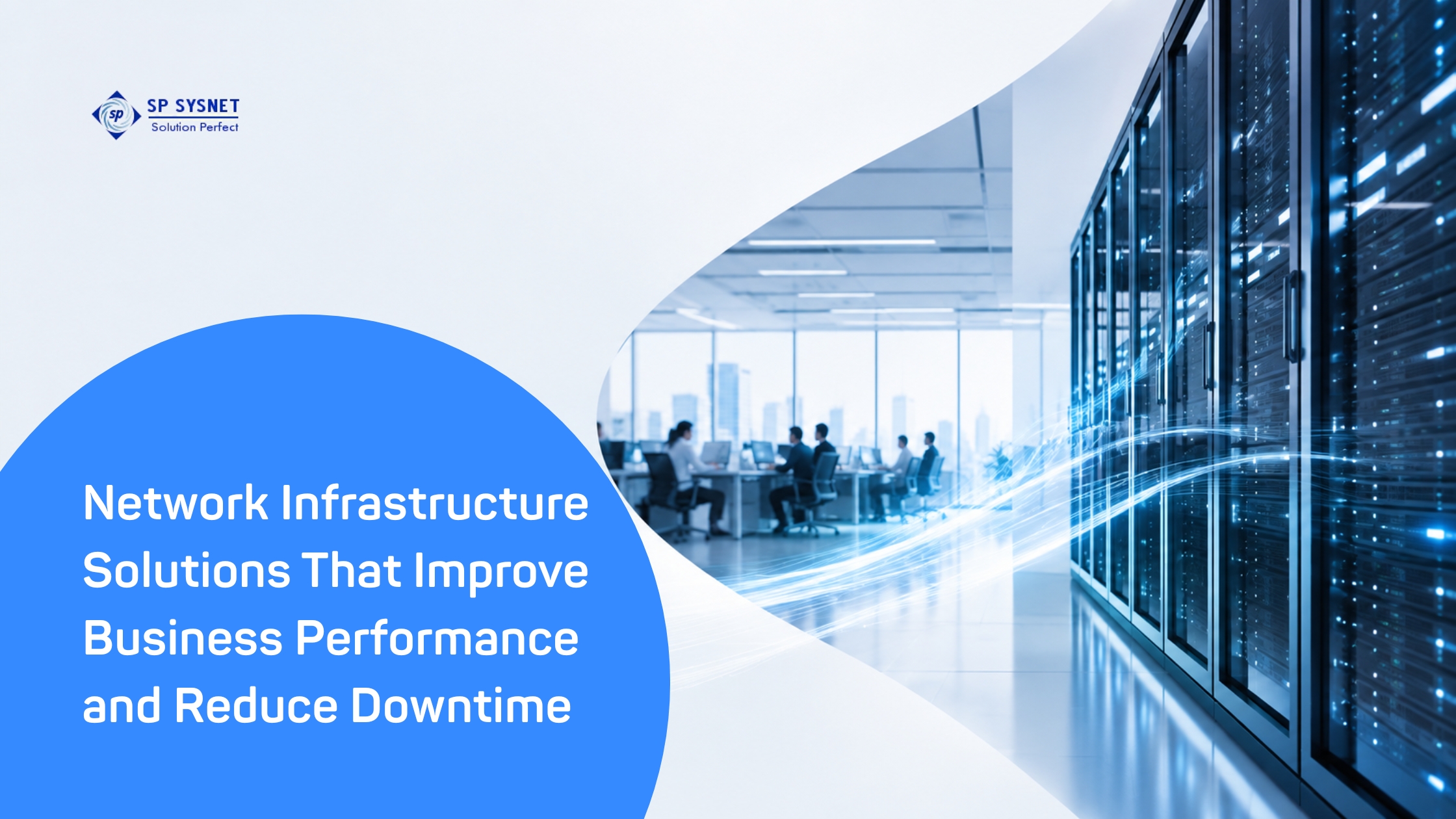
That might include virtualized servers, cloud platforms, automated monitoring, stronger cybersecurity, better backup strategies, and centralized management tools that give IT teams greater visibility across the entire environment.
The result is a technology foundation that’s easier to manage and far more reliable.
Businesses typically benefit from:
- Faster application performance
- Better system reliability and uptime
- Stronger protection against security threats
- Easier cloud integration
- Simpler IT management
- Greater flexibility as the business grows
- Improved disaster recovery capabilities
Instead of constantly reacting to problems, your IT team can focus on improving systems and supporting business growth.
So, When Is It Time to Upgrade?
There’s no rule that says infrastructure should be replaced after a certain number of years.
The better question is whether your technology is still helping your business achieve its goals.
If your systems are limiting productivity, creating security concerns, increasing maintenance costs, or making expansion difficult, it’s probably time to review your infrastructure.
Many businesses decide to modernize when they’re:
- Expanding into new offices or locations
- Hiring more employees
- Moving workloads to the cloud
- Experiencing regular downtime
- Facing increasing cybersecurity requirements
A successful upgrade doesn’t mean replacing everything overnight. In most cases, a phased approach works much better. By assessing your existing environment first, you can prioritize improvements, reduce disruption, and invest where it delivers the greatest business value.
This is exactly where experienced providers of IT Infrastructure Services Singapore, like SP Sysnet, can help. Rather than recommending unnecessary upgrades, the focus is on understanding your business objectives and building infrastructure that supports them over the long term.
Conclusion
Technology should make work easier, not more complicated.
If your business is constantly dealing with slow systems, rising maintenance costs, recurring downtime, or limited scalability, those aren’t just IT problems—they’re business problems.
Modernizing your infrastructure doesn’t have to be a massive, disruptive project. With proper planning, businesses can gradually transition to a Modern IT Infrastructure that improves performance, strengthens security, and provides the flexibility needed for future growth.
The sooner you understand where your infrastructure stands today, the easier it becomes to plan for tomorrow.
Frequently Asked Questions
1. How do I know if my IT infrastructure needs an upgrade?
If you’re dealing with slow systems, frequent downtime, rising maintenance costs, security concerns, or difficulty supporting new applications, it’s a strong indication that your infrastructure should be evaluated.
2. What are the benefits of IT Infrastructure Services Singapore?
They help businesses improve performance, strengthen cybersecurity, simplify IT management, support cloud adoption, and build an infrastructure that’s ready for future growth.
3. What is Modern IT Infrastructure?
Modern IT Infrastructure combines technologies such as cloud computing, virtualization, automation, and advanced security to create a flexible, scalable, and reliable IT environment.
4. Is replacing legacy infrastructure expensive?
While there’s an upfront investment, continuing to operate outdated systems often results in higher maintenance costs, lower productivity, and greater security risks. A phased upgrade can help manage costs effectively.
5. Can small and medium-sized businesses benefit from infrastructure modernization?
Absolutely. Modern infrastructure helps businesses of all sizes improve efficiency, reduce downtime, strengthen security, and scale more easily as they grow.