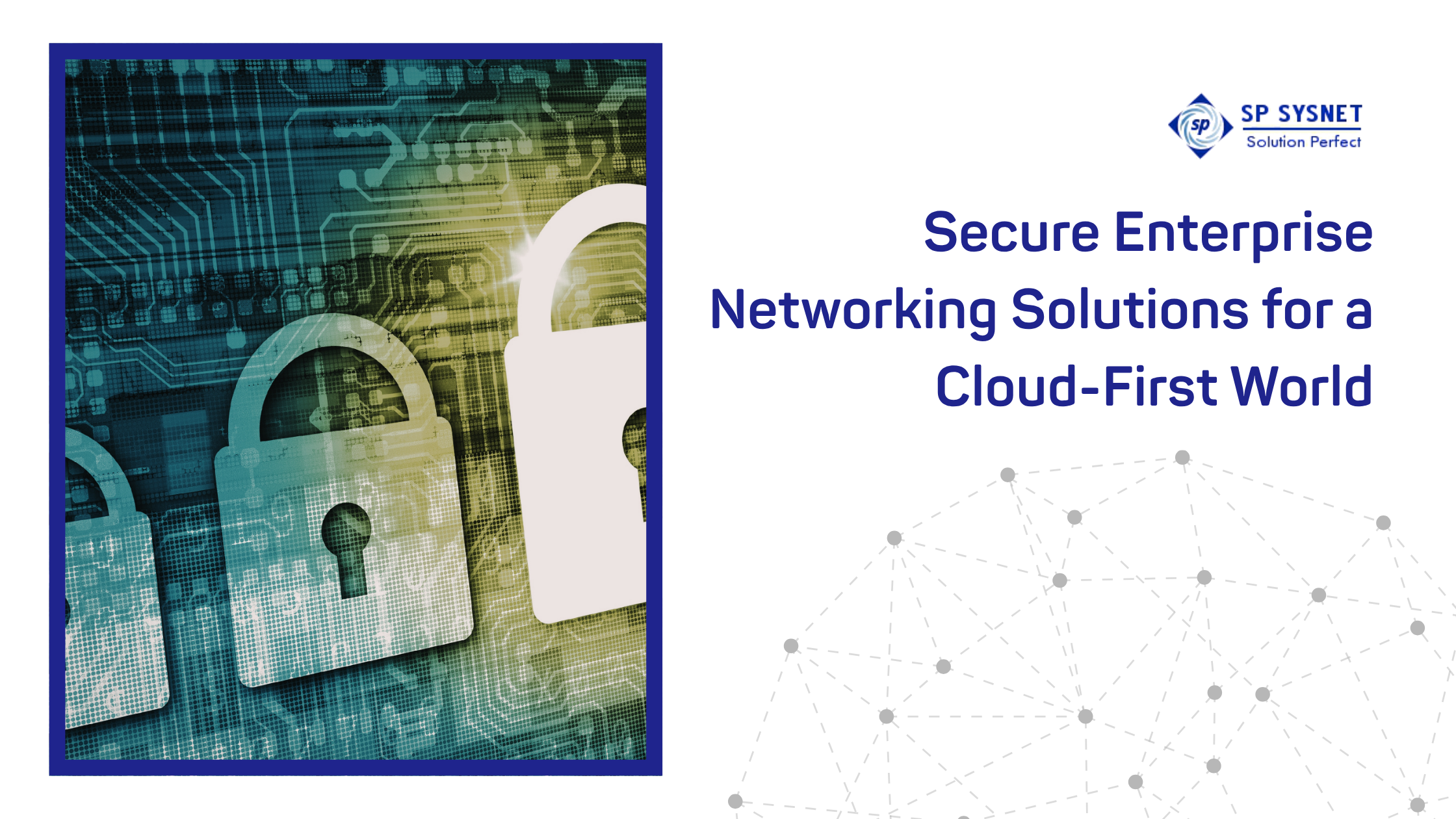

Modern businesses operate in an environment where connectivity defines productivity. Applications run on cloud platforms, employees work remotely, and customers expect uninterrupted access to digital services. In such conditions, organizations partnering with experienced companies like Sp Sysnet understand that networking is no longer just about connecting devices. It is about creating dependable and protected communication channels that support business continuity and growth. Enterprises today require networking frameworks that can support distributed systems, protect data, and maintain performance even as operations expand globally. This is where secure enterprise networking solutions become essential for long term stability.
The Shift Toward Cloud Centric Operations
The transition to cloud platforms has transformed enterprise operations. Applications, storage, collaboration tools, and analytics systems are now hosted in remote environments rather than local servers. While this provides flexibility, it also increases reliance on network performance and protection. Every transaction, login, and data transfer travels through the network. If the network is weak, the entire digital ecosystem suffers. Organizations must therefore design networking environments that support both speed and safety without compromise. A cloud first world demands reliable access from multiple locations while maintaining consistent performance. This requires thoughtful planning and continuous monitoring rather than reactive troubleshooting.
The Role of Enterprise Network Infrastructure Management
Network Infrastructure Management forms the backbone of modern connectivity. It ensures communication between users, applications, and cloud environments remains uninterrupted. Well managed infrastructure provides visibility into traffic flow, identifies unusual behavior, and prevents congestion. Instead of waiting for outages, organizations monitor performance in real time and respond before users notice disruptions. Reliable infrastructure supports collaboration platforms, real time communication, and business applications that operate across regions. This stability allows teams to focus on productivity rather than technical interruptions.
Integrating Cyber Security into the Network Layer
As organizations expand digitally, threats increasingly target network communication. Unauthorized access attempts, malicious traffic, and data interception can compromise operations if defenses are weak. Cyber Security Services strengthen networking environments by verifying user identity and monitoring communication patterns. Security controls ensure that only authorized individuals access systems while suspicious activity is detected early. Protection at the network layer prevents attackers from reaching critical applications and data repositories. This approach reduces risk while maintaining smooth connectivity for legitimate users.
Supporting Cloud Environments with Managed Cloud Infrastructure
Cloud adoption increases the importance of networking reliability. Systems must communicate constantly with remote platforms to function properly. Managed Cloud Infrastructure helps coordinate resources and maintain stable connections between enterprise locations and cloud services. Continuous monitoring ensures consistent availability and performance. When infrastructure and networking operate together, organizations gain confidence that applications will remain accessible regardless of user location. This reliability becomes essential for customer facing services and internal workflows.
Ensuring Data Availability with Backup and Recovery Planning
Data travels continuously across enterprise networks. Interruptions or cyber incidents can affect not only connectivity but also information availability. Data Backup and Disaster Recovery solutions work alongside networking systems to maintain operational continuity. If unexpected issues occur, organizations can restore systems quickly and resume normal operations.By integrating recovery planning into network strategy, businesses reduce downtime and maintain service reliability.
Empowering Users Through End User Computing
Employees now access enterprise resources from offices, homes, and mobile devices. Consistent access requires secure authentication and stable connectivity regardless of location. End User Computing solutions provide centralized management of devices and user permissions. Workers can connect to applications without complicated configuration while administrators maintain control over access rights. This balance of convenience and control improves productivity while supporting organizational security policies.
Monitoring and Performance Optimization
Networking environments must evolve as business needs change. Continuous monitoring allows organizations to analyze performance trends and adjust capacity when necessary. Optimization improves response times and prevents overload during peak usage. Instead of reacting to failures, enterprises anticipate demand and maintain consistent performance. Regular evaluation ensures the networking environment remains reliable as operations expand and digital services grow.
Preparing for Future Technologies
Emerging technologies such as analytics platforms and automation systems rely on uninterrupted communication between applications. A stable networking foundation allows organizations to adopt new capabilities without redesigning infrastructure. A strong environment built on secure enterprise networking principles supports innovation by providing dependable connectivity and protection. Businesses can introduce new services confidently, knowing that communication channels remain reliable. Future readiness depends on creating adaptable systems that handle increasing data exchange while preserving performance.
Building Long Term Operational Confidence
Reliable connectivity influences every department within an organization. Finance systems, customer portals, communication tools, and operational platforms all depend on network availability. When networking environments are structured and monitored, businesses experience fewer disruptions and improved collaboration. This stability builds confidence in digital operations and supports long term planning. Combining Network Infrastructure Management, Cyber Security Services, Managed Cloud Infrastructure, Data Backup and Disaster Recovery, and End User Computing creates a unified communication ecosystem that supports growth.
Conclusion
In a cloud driven environment, connectivity must be both dependable and protected. Organizations require networking frameworks that maintain performance while safeguarding information. By adopting structured strategies and secure enterprise networking solutions, businesses can ensure uninterrupted communication and operational stability. Through the implementation of Network Infrastructure Management, Cyber Security Services, Managed Cloud Infrastructure, Data Backup and Disaster Recovery, and End User Computing, companies create strong digital foundations ready for expansion. With guidance from experienced partners like Sp Sysnet, enterprises with secure enterprise networking can confidently operate in a connected world while maintaining reliability, safety, and long term efficiency.