
Speed and consistency determine success in modern financial markets. Trading firms must process market data and execute orders within microseconds to stay competitive. High frequency trading servers provide the computing power required for these operations. A specialised HFT infrastructure provider designs server environments that deliver deterministic performance under heavy market activity. Well engineered trading servers ensure that algorithms process data instantly while maintaining consistent latency across every transaction.
Financial institutions depend on infrastructure that performs predictably even during peak market volatility.
Why Deterministic Performance Matters in Trading?
Trading platforms analyse large volumes of market data and execute thousands of orders every second. Algorithms rely on infrastructure that processes data at consistent speeds without unexpected delays.
Deterministic performance ensures that trading systems maintain predictable latency levels across every operation. Even minor fluctuations in processing time can affect order execution and reduce trading efficiency.
High frequency trading servers allow firms to maintain stable execution performance during intense market activity. Infrastructure engineers optimize these systems to remove unnecessary delays in data processing and network communication.
Trading environments designed for deterministic performance help firms compete effectively in global financial markets.
Optimizing Hardware for Trading Workloads
High frequency trading servers require hardware configurations that prioritise speed and stability. Infrastructure engineers select processors with high clock speeds to support rapid data processing and algorithm execution.
Memory architecture also plays a critical role in maintaining low latency operations. Engineers configure memory channels carefully to reduce access delays during data intensive workloads.
Storage performance matters when trading systems process large data streams. NVMe based storage systems provide faster read and write speeds that support real time analytics and market data processing.
An experienced HFT infrastructure provider designs server configurations specifically for trading workloads instead of relying on standard enterprise hardware environments.
Network Optimization for Ultra Fast Execution
Network architecture directly affects how quickly trading systems communicate with exchanges and market data providers. Engineers design low latency networks that minimise packet transmission delays across trading infrastructure.
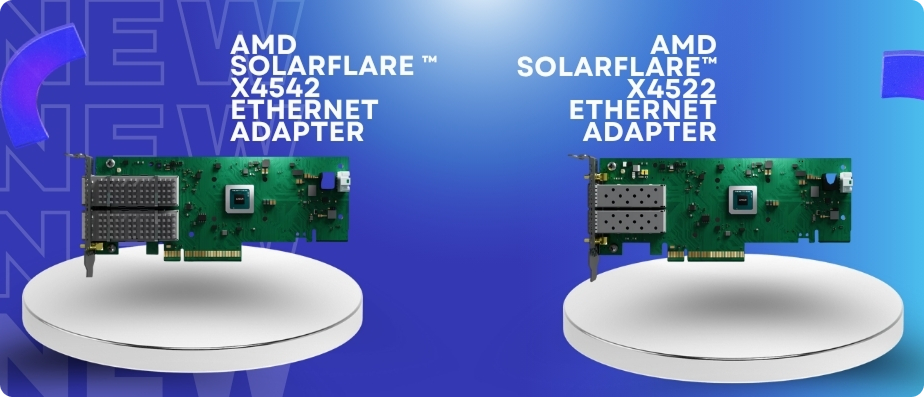
High performance network interface cards and low latency switching platforms improve data transmission speeds between trading servers and exchange gateways.
Many trading firms colocate servers inside exchange data centres to reduce physical network distance. Infrastructure providers also implement kernel bypass networking to allow applications direct access to network hardware.
These optimisations help high frequency trading servers maintain consistent communication speeds across financial networks.
Time Synchronization and Infrastructure Precision
Accurate time synchronisation plays an important role in modern trading environments. Exchanges require precise timestamps for every order and trade transaction.
Trading infrastructure often uses precision time protocol systems to synchronise clocks across servers and networking components. Accurate timing ensures regulatory compliance and enables detailed analysis of trading performance.
Deterministic infrastructure also helps engineers measure latency across trading systems and identify performance bottlenecks quickly.
Consistent time synchronisation improves operational visibility and strengthens infrastructure reliability.
Continuous Monitoring and Performance Tuning
High frequency trading environments require continuous monitoring to maintain optimal performance levels. Infrastructure teams track network latency, system resource usage, and application response times.
Monitoring tools detect abnormal latency spikes or hardware inefficiencies that could affect trading performance. Engineers adjust configurations quickly to maintain predictable infrastructure behaviour.
Regular system tuning also improves server efficiency and ensures stable performance during high volume trading periods.
Infrastructure providers maintain strict operational standards to ensure that trading environments operate consistently throughout market hours.
Why Do Trading Firms Choose SP Sysnet?
Designing trading infrastructure requires deep knowledge of financial technology and low latency system architecture. Firms must partner with specialists who understand the technical demands of high frequency trading environments.
SP Sysnet acts as a trusted HFT infrastructure provider delivering high performance high frequency trading servers and advanced trading infrastructure solutions. Their team designs server environments, low latency networks, and exchange connectivity systems tailored for financial markets.
Trading firms benefit from predictable performance, faster execution speeds, and infrastructure built specifically for microsecond driven trading strategies.