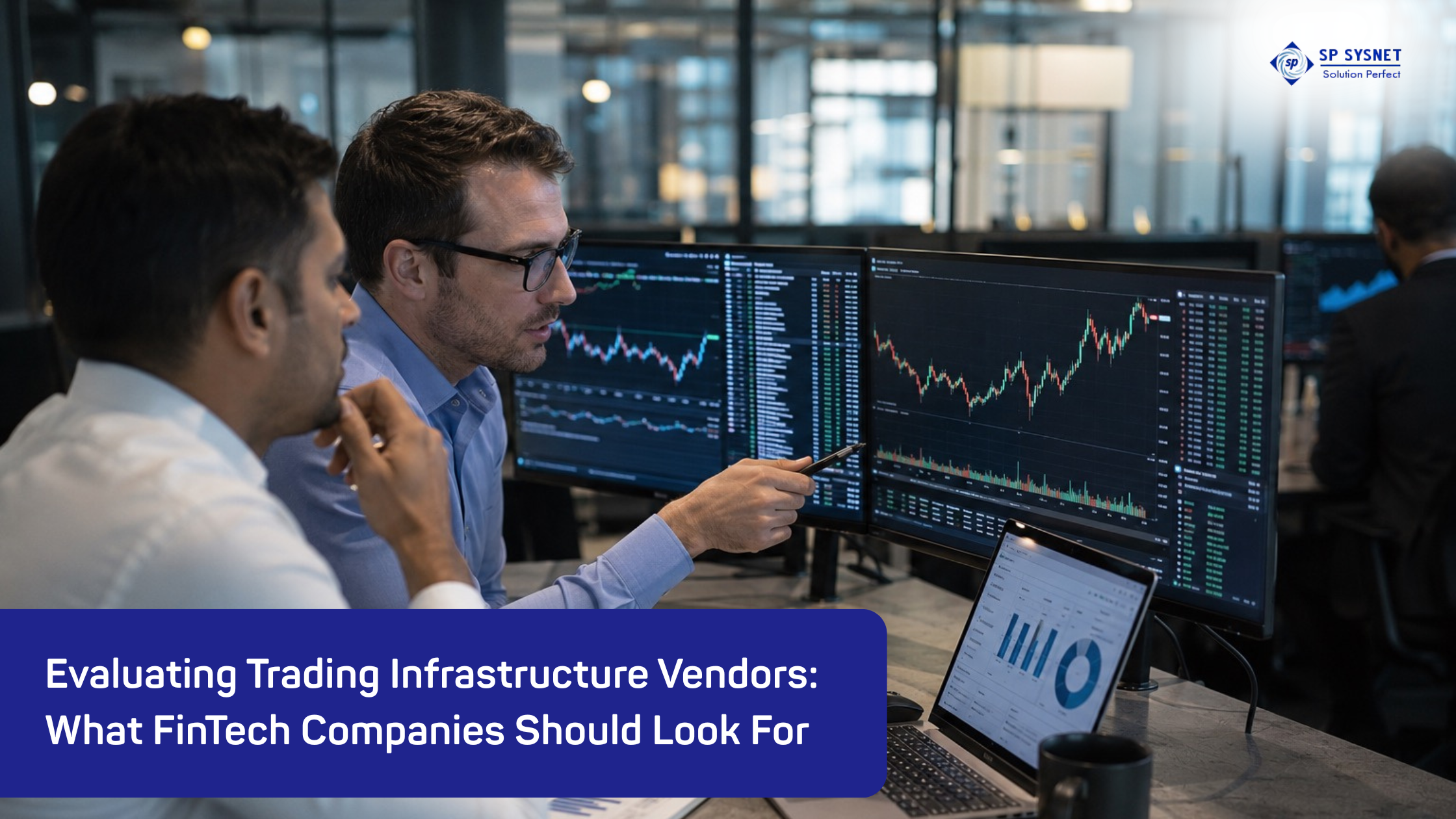

Milliseconds can influence trading outcomes, customer satisfaction, and business profitability. FinTech companies therefore invest significant resources when selecting an HFT infrastructure provider capable of delivering exceptional performance and reliability. As trading platforms become more sophisticated, infrastructure requirements continue to grow. Organizations need High frequency trading servers and networking environments that support real-time decision-making, rapid order execution, and continuous market connectivity. Choosing the right infrastructure vendor can determine whether a trading platform operates at peak performance or struggles with latency and operational limitations.
Performance Must Be the First Priority
Trading systems process thousands of transactions, market updates, and analytics requests every second. Infrastructure vendors must demonstrate their ability to support demanding workloads without introducing delays.
FinTech companies should evaluate server performance, network throughput, processing capabilities, and latency benchmarks before making infrastructure decisions. High-performance environments help trading applications execute transactions faster and respond immediately to changing market conditions.
Organizations that prioritize performance gain a measurable advantage in competitive financial markets.
Evaluate Network Latency and Connectivity
Network latency directly affects trade execution speed. Even minor delays can impact profitability in high-frequency trading environments where timing plays a critical role.
Businesses should assess how vendors connect to exchanges, market data providers, and financial ecosystems. Direct connectivity options, optimized network routes, and low-latency switching technologies contribute significantly to overall infrastructure performance.
Reliable connectivity ensures trading systems maintain consistent communication throughout market hours.
Assess High Frequency Trading Servers Carefully
Server architecture plays a central role in trading performance. FinTech companies should evaluate processor capabilities, memory configurations, storage technologies, and workload optimization strategies.
High frequency trading servers must support rapid data processing while maintaining stability under heavy workloads. Infrastructure vendors should provide hardware specifically designed for latency-sensitive applications.
Organizations benefit when server environments align with the unique requirements of trading platforms and algorithmic strategies.
Scalability Supports Long-Term Growth
Successful trading platforms often experience increasing transaction volumes, expanding customer bases, and evolving technology requirements. Infrastructure vendors must provide scalable solutions that support future growth.
Businesses should examine how providers accommodate additional workloads, users, and applications without compromising performance. Flexible infrastructure helps organizations adapt quickly to changing business demands.
Scalable environments also reduce the need for costly infrastructure replacements as operations expand.
Security Cannot Be an Afterthought
Financial systems handle sensitive customer information, trading data, and business-critical transactions. Security therefore remains a fundamental requirement when evaluating infrastructure vendors.
FinTech organizations should review access controls, encryption standards, network security measures, monitoring capabilities, and incident response procedures. Effective security strategies help protect critical assets while maintaining operational efficiency.
Infrastructure partners must balance strong protection with the performance requirements of modern trading environments.
Proactive Monitoring and Support Matter
Infrastructure issues can affect trading activities within seconds. Businesses need vendors that actively monitor systems and respond quickly when problems arise.
Continuous monitoring allows infrastructure teams to identify performance anomalies, hardware concerns, and network issues before they impact operations. Rapid support reduces downtime and helps maintain service availability during critical trading periods.
SP Sysnet provides infrastructure expertise and proactive management services that help organizations maintain stable and high-performing technology environments.
Industry Experience Creates Additional Value
Technology expertise remains important, but industry-specific knowledge often separates strong providers from average vendors. Infrastructure partners familiar with financial markets understand the performance and compliance requirements unique to trading operations.
Experienced vendors can recommend architecture improvements, optimize system performance, and identify opportunities for operational efficiency. Their knowledge helps organizations avoid common infrastructure challenges.
Businesses gain greater confidence when working with providers that understand the realities of financial technology environments.
Choosing the Right Infrastructure Partner
Selecting an infrastructure vendor involves more than comparing hardware specifications. FinTech companies must evaluate performance, latency, scalability, security, support capabilities, and industry expertise.
The right HFT infrastructure provider helps organizations build technology environments that support speed, reliability, and future growth. SP Sysnet delivers advanced infrastructure solutions, networking expertise, and High frequency trading servers designed to help FinTech companies maintain competitive performance, reduce operational risks, and support demanding trading workloads in fast-moving financial markets.