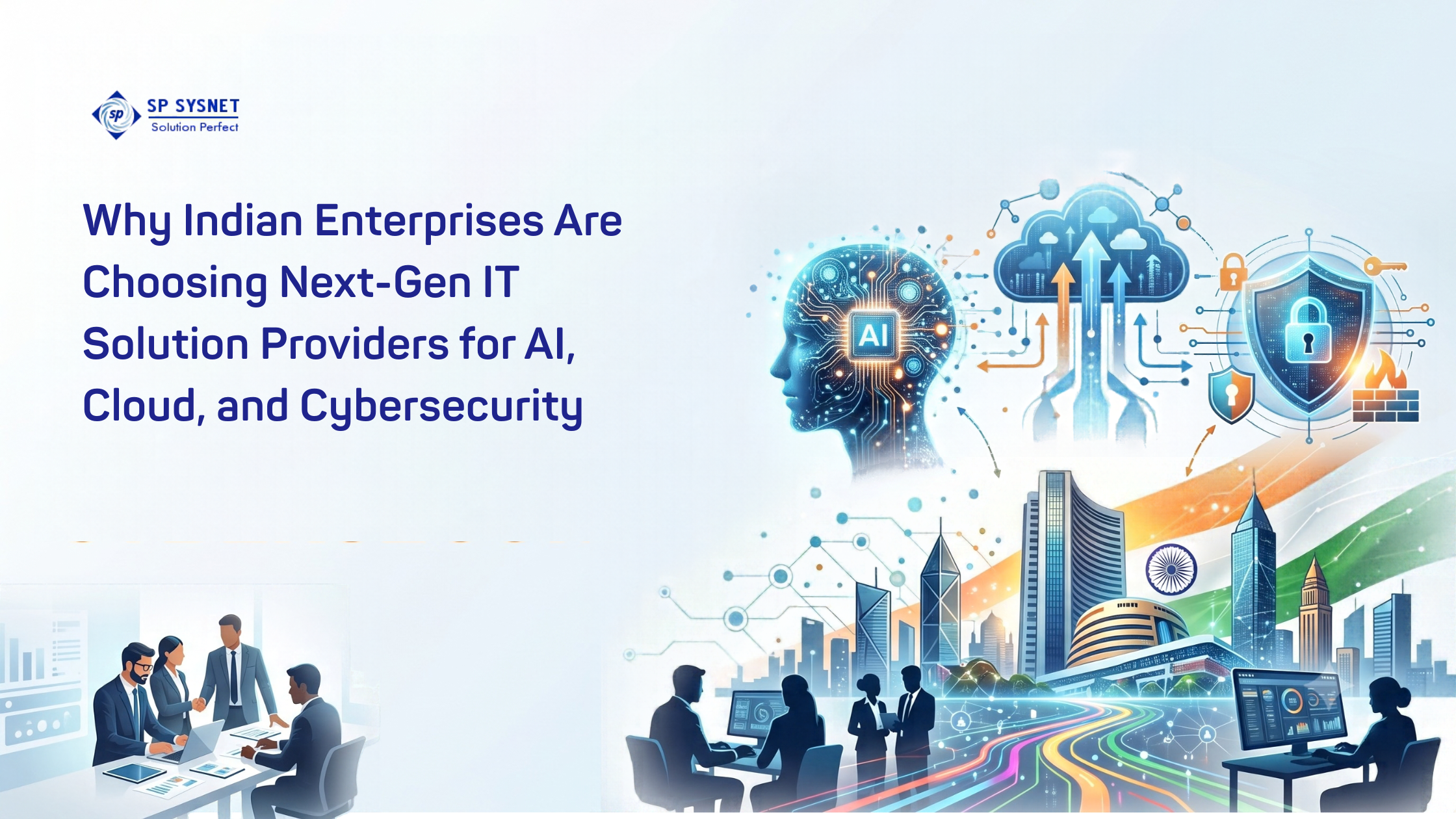
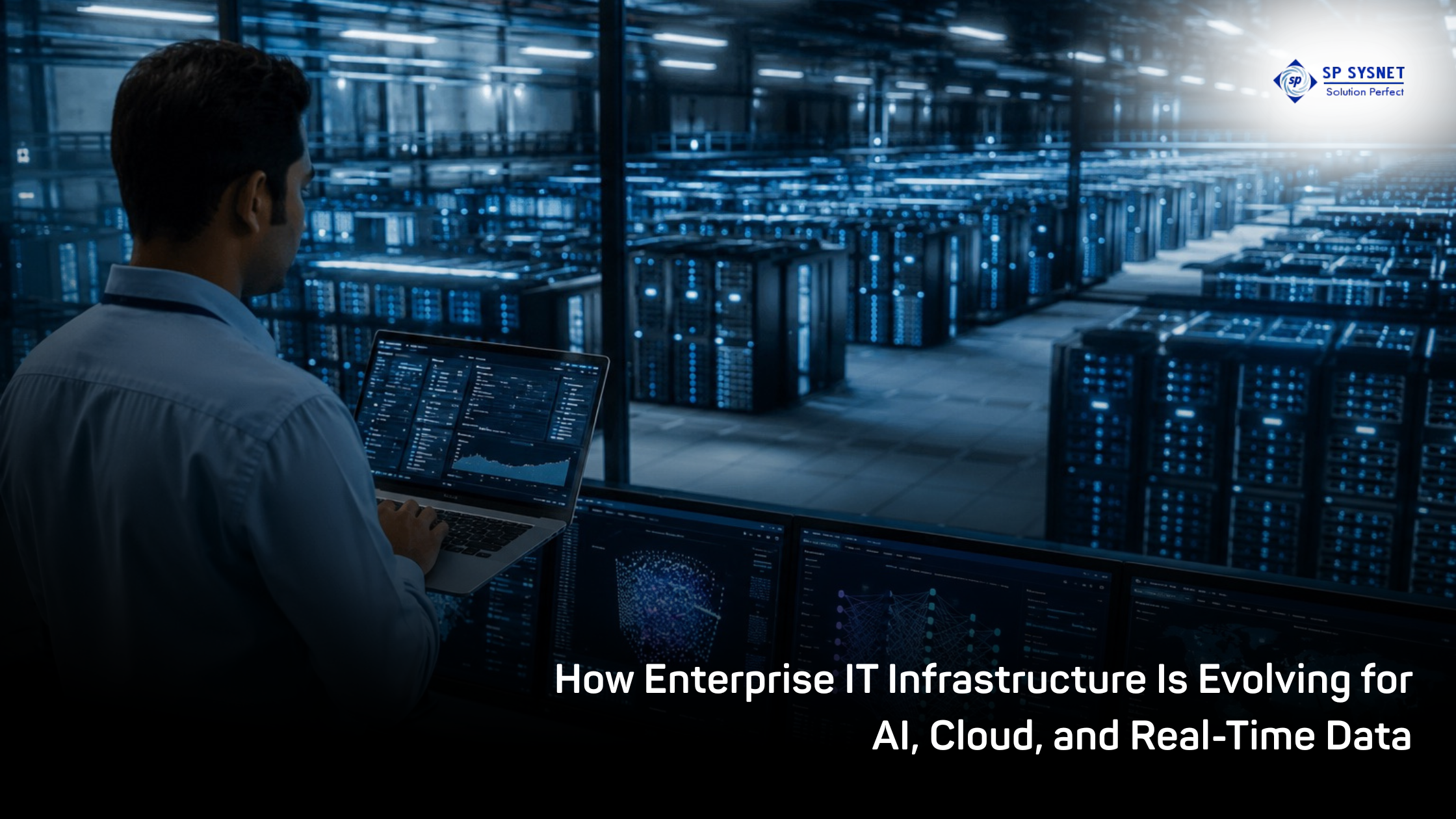

Businesses now process more data in a single day than they handled in months just a few years ago. Artificial intelligence, cloud platforms, and real-time analytics continue to transform operations across every industry. As a result, Enterprise IT Infrastructure must evolve to support faster processing, greater scalability, and stronger security. Organizations investing in modern IT infrastructure for enterprises gain the ability to manage growing workloads, improve decision-making, and deliver better business outcomes while remaining competitive in a rapidly changing technology landscape.
AI Is Reshaping Infrastructure Requirements
Artificial intelligence applications require significant computing power, storage capacity, and networking performance. Traditional infrastructure often struggles to handle the large datasets and processing demands associated with AI workloads.
Organizations increasingly deploy high-performance servers, accelerated computing resources, and advanced networking technologies to support machine learning models and AI-driven applications. These investments allow businesses to process information faster and generate insights more efficiently.
Companies that modernize infrastructure for AI initiatives position themselves to extract greater value from their data assets.
Cloud Adoption Continues to Drive Change
Cloud computing has become a central component of modern business operations. Organizations rely on cloud platforms to improve flexibility, support remote work, and accelerate digital transformation initiatives.
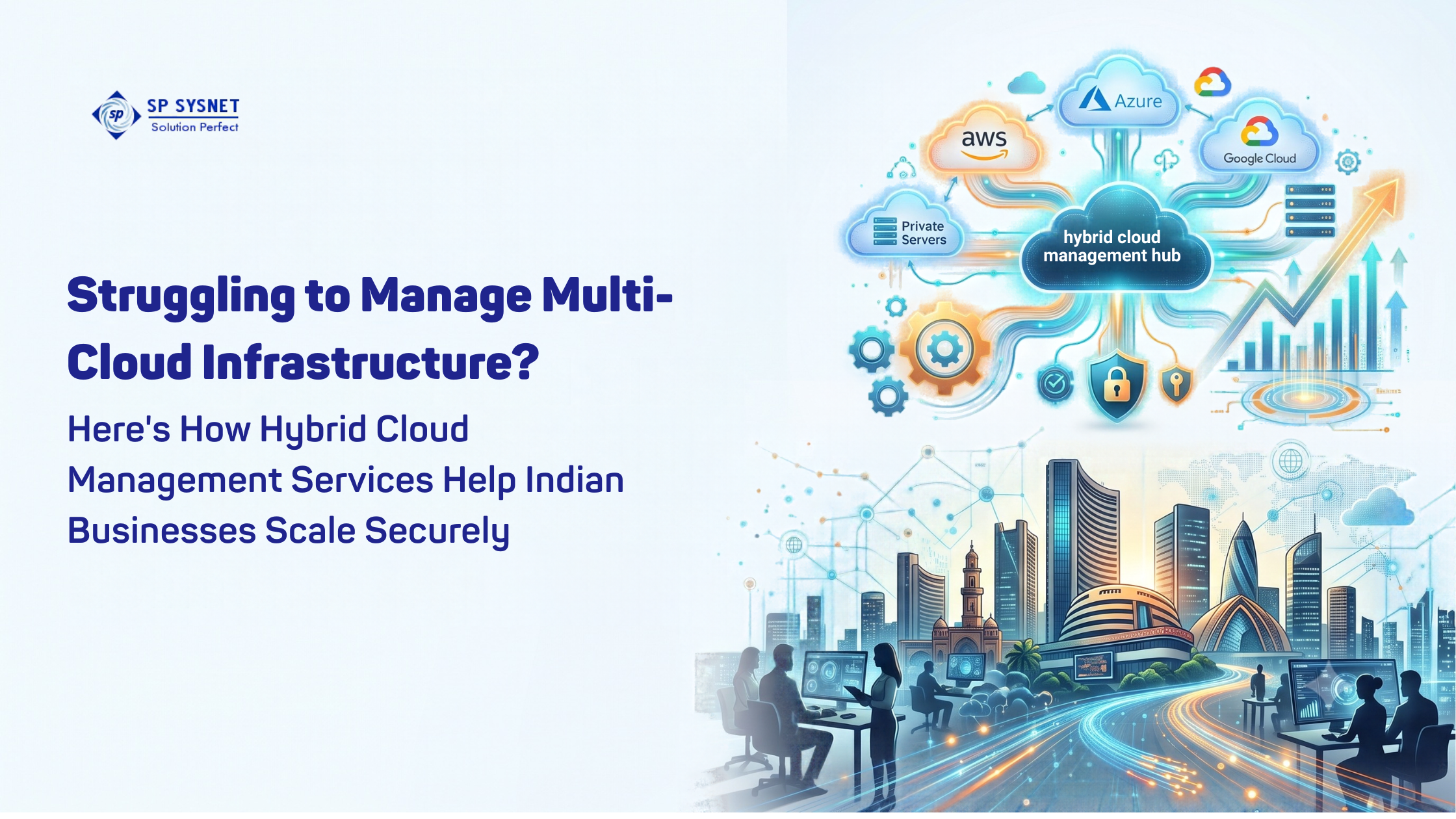
Many businesses now operate hybrid environments that combine on-premises infrastructure with public and private cloud resources. This approach allows organizations to optimize workloads while maintaining control over critical systems and sensitive information.
SP Sysnet helps businesses design cloud-ready infrastructure environments that support performance, scalability, and operational efficiency.
Real-Time Data Demands Faster Networks
Business leaders increasingly depend on real-time information to make informed decisions. Financial services, manufacturing, healthcare, logistics, and retail organizations all require immediate access to accurate data.
Infrastructure must support rapid data movement between applications, databases, users, and cloud environments. High-performance networking solutions reduce delays and improve the responsiveness of business systems.
Organizations that invest in faster network architectures can process transactions, analyze information, and respond to market conditions more effectively.
Scalability Has Become a Business Priority
Technology requirements rarely remain static. Businesses constantly add applications, expand operations, and generate larger volumes of data. Infrastructure must adapt quickly without creating performance bottlenecks.
Modern Enterprise IT Infrastructure focuses on scalability through virtualization, cloud integration, software-defined technologies, and flexible resource allocation. These capabilities help organizations grow efficiently while maintaining operational stability.
Scalable environments also help businesses control costs by allocating resources based on actual demand.
Security Must Evolve Alongside Infrastructure
As infrastructure becomes more connected, security challenges continue to increase. Organizations must protect users, devices, applications, and data across multiple environments.
Businesses now require integrated security strategies that include network protection, endpoint security, access controls, threat monitoring, and data protection measures. Security must remain consistent across on-premises systems and cloud platforms.
SP Sysnet provides infrastructure and security solutions that help organizations strengthen protection while maintaining business productivity.
Automation Improves Infrastructure Management
Managing modern IT environments manually creates operational challenges and increases the risk of human error. Organizations increasingly adopt automation technologies to improve efficiency and simplify infrastructure management.
Automation helps IT teams monitor performance, deploy resources, manage updates, and respond to issues more quickly. Businesses benefit from improved reliability, reduced administrative workloads, and faster service delivery.
These capabilities become especially important as infrastructure environments continue to grow in complexity.
Building Infrastructure for the Future
Technology continues to evolve at a rapid pace, and businesses must prepare for future demands. AI applications, cloud services, real-time analytics, and data-intensive workloads require infrastructure that supports continuous innovation.
The future of Enterprise IT Infrastructure centers on scalability, performance, security, and intelligent management. Organizations that invest in modern IT infrastructure for enterprises gain greater agility and operational efficiency while positioning themselves for long-term success. SP Sysnet helps businesses design, implement, and manage future-ready infrastructure solutions that support evolving business requirements and emerging technologies.