
For trading firms, infrastructure decisions are rarely just about buying newer hardware. A server refresh, network upgrade, or data center move can affect latency, connectivity, application performance, and ultimately how reliably trading systems operate.
FPGA acceleration can be valuable for certain workloads, but it is not automatically the right answer for every trading environment. Before investing in FPGA technology, firms should first understand where latency actually comes from and what they are trying to improve.
Start With the Workload, Not the Hardware
FPGA technology is particularly useful when trading applications need extremely fast and predictable processing.
It can make sense for workloads such as:
- Market data processing
- Feed handling
- Order processing
- Trading strategy acceleration
- Risk calculations
- Time-sensitive data pipelines
- Ultra-low-latency applications
But if the main problem is an outdated network, poor server configuration, storage latency, or inefficient application architecture, adding an FPGA may not solve the underlying issue.
The first step should therefore be identifying the actual bottleneck.
Where Does Latency Come From?
Trading latency can come from several places.
A firm’s infrastructure may include:
Servers – CPU performance, memory, PCIe configuration, and application optimization can all affect processing time.
Networking – Switches, NICs, cabling, optics, and network configuration can influence how quickly market data and orders move.
Software – An inefficient application can introduce delays even when the underlying hardware is extremely fast.
Data center connectivity – Physical location, cross-connects, and connectivity to exchanges can have a significant impact on the overall trading path.
Time synchronization – Accurate timing is important when firms need precise event measurement and latency analysis.
This is why infrastructure refresh projects should look at the complete trading environment rather than focusing on one component.
Read More: Should You Move Your Existing Servers or Replace Them Before Relocating to Keppel DC?
When Does FPGA Acceleration Make Sense?
FPGA acceleration is worth considering when every microsecond—or even less—matters and the workload is suitable for hardware-based processing.
For example, firms processing large volumes of market data may use FPGA-based systems to handle certain operations closer to the network interface before the data reaches the CPU.
The benefit can be reduced processing overhead and more predictable latency.
However, FPGA development can also require specialized skills, application changes, testing, and ongoing maintenance. It is therefore important to compare the expected performance improvement with the complexity and investment involved.
What About the Data Center Move?
For trading firms planning SGX relocations to Keppel DC, an infrastructure refresh can be an opportunity to review more than just the physical location of equipment.
A relocation project may be the right time to evaluate:
- Current server performance
- FPGA requirements
- Low-latency networking
- Switch capacity
- Time servers
- Optics and DAC cables
- Rack and power requirements
- Structured cabling
- Connectivity and cross-connects
- Hardware lifecycle
- Spare equipment and support requirements
A move should not simply reproduce the old environment in a new rack. It can also be an opportunity to identify where infrastructure can be improved.
Why Is Relocation Planning So Important?
A data center move involves much more than disconnecting equipment and transporting it.
Good Relocation planning should cover the move schedule, equipment inventory, rack positions, power allocation, cabling, transport, re-racking, configuration, testing, and contingency planning.
For trading infrastructure, the sequence matters. A small issue with cabling, connectivity, configuration, or equipment installation can delay testing and potentially affect the planned go-live window.
That is why every part of the relocation should be mapped out before equipment is de-racked.
Should You Refresh Everything During the Move?
Not necessarily.
Some equipment may still have plenty of useful life. Other components may be approaching end-of-life or no longer provide the performance required by current trading applications.
A sensible approach is to divide the infrastructure into three groups:
Keep: Equipment that still meets performance and support requirements.
Refresh: Hardware that is reaching the end of its useful life or has become a performance bottleneck.
Upgrade: Components where newer technology can provide a meaningful latency, capacity, or reliability improvement.
This approach can prevent unnecessary spending while still improving the areas that matter most.
Build the Trading Environment Around the Complete Path
FPGA acceleration can be powerful, but it is only one part of a low-latency trading environment.
The real performance picture involves the complete path—from market data entering the infrastructure to processing, decision-making, and order transmission.
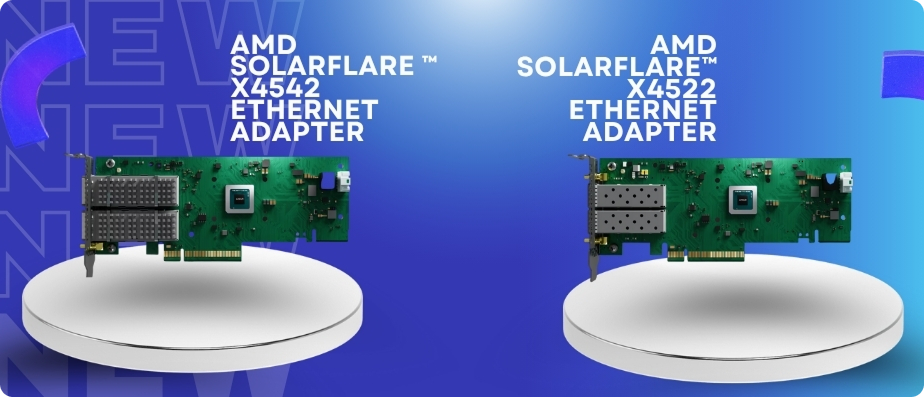
For firms planning a move or infrastructure refresh, SP Sysnet can support requirements across servers, networking, FPGA products, optics, DAC cables, time servers, racks, and data center relocation activities.
The goal should be straightforward: understand where performance matters most, invest in the right components, and plan the move carefully so the new environment is ready to perform from day one.
A data center relocation is a major undertaking, but with the right preparation, it can also be a good opportunity to build a faster, cleaner, and more future-ready trading infrastructure.
Frequently Asked Questions
What is FPGA acceleration in trading infrastructure?
FPGA acceleration uses programmable hardware to process certain trading workloads much faster and with more predictable latency than traditional software-based processing. It can be useful for market data processing, order handling, and other time-sensitive workloads.
Do all trading firms need FPGA acceleration?
No. FPGA technology is most useful when a firm’s trading strategy depends on extremely low and consistent latency. Businesses should first identify their actual performance bottlenecks before investing in FPGA infrastructure.
Why is infrastructure refresh important during SGX relocations to Keppel DC?
A relocation creates a practical opportunity to review existing servers, networking, FPGA hardware, cabling, optics, and connectivity. Businesses can replace aging equipment and optimize the new setup instead of simply moving the existing infrastructure.
What should trading firms consider when planning a data center relocation?
Firms should consider equipment inventory, rack and power allocation, connectivity, cabling, transport, de-racking, re-racking, configuration, testing, and contingency plans. Detailed Relocation planning can help reduce unexpected delays during the move.
Can FPGA, servers, and networking be upgraded together?
Yes. A coordinated infrastructure refresh can help ensure that servers, FPGA products, NICs, switches, optics, and cabling work together efficiently. Looking at the complete trading environment is often more useful than upgrading one component in isolation.
How can businesses decide whether to refresh their trading infrastructure?
Start by measuring current performance and identifying bottlenecks. Then evaluate equipment age, latency requirements, application workloads, support status, scalability, and expected business growth to determine which components should be retained, upgraded, or replaced.