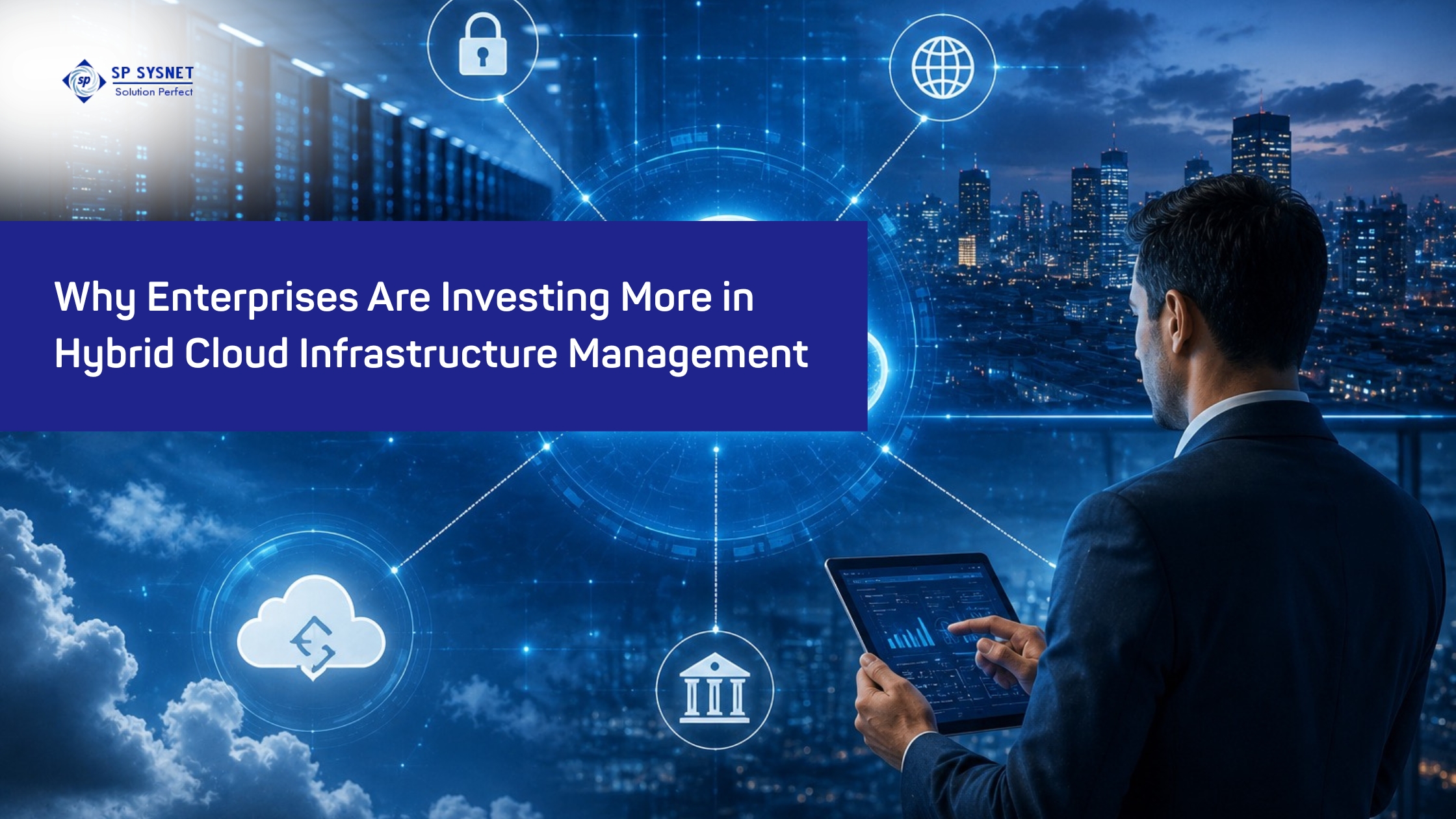

Businesses need technology environments that can adapt quickly to changing demands, support growing workloads, and maintain operational continuity. As organizations modernize their IT strategies, Hybrid Cloud Infrastructure Management has become a key investment area for enterprises across industries. Rather than relying entirely on on-premises systems or public cloud platforms, companies increasingly combine both environments to create greater flexibility and control. Effective Cloud Infrastructure Management helps organizations optimize performance, improve security, and support long-term business growth while maintaining operational efficiency.
Hybrid Cloud Has Become the Preferred Enterprise Model
Many organizations manage a mix of legacy systems, business-critical applications, and cloud-based services. Moving every workload to a public cloud environment may not always align with operational, compliance, or performance requirements.
Hybrid cloud environments allow businesses to keep sensitive workloads within private infrastructure while leveraging public cloud resources for scalability and flexibility. This approach provides greater control over data and applications without limiting innovation.
Enterprises benefit from the ability to allocate resources based on specific business needs and operational priorities.
Scalability Drives Investment Decisions
Business requirements change rapidly. Organizations launch new services, enter new markets, and experience fluctuations in demand that require flexible technology environments.
Hybrid cloud strategies allow businesses to scale resources efficiently without investing heavily in additional physical infrastructure. Companies can increase computing power, storage capacity, and application availability as requirements evolve.
This flexibility helps enterprises respond faster to market opportunities while maintaining cost efficiency.
Security and Compliance Remain Top Priorities
Organizations continue to face increasing cybersecurity risks, regulatory requirements, and data protection obligations. These concerns influence how businesses design and manage their infrastructure environments.
Hybrid cloud models allow enterprises to retain sensitive data within controlled environments while utilizing cloud services for less sensitive workloads. This structure supports stronger governance and improved compliance management.
SP Sysnet helps organizations implement secure cloud environments that align with operational and regulatory requirements while supporting business objectives.
Business Continuity Becomes Easier to Manage
Unexpected disruptions can affect operations, productivity, and customer satisfaction. Enterprises therefore prioritize infrastructure strategies that improve resilience and minimize downtime.
Hybrid cloud environments support business continuity by distributing workloads across multiple platforms. Organizations can maintain service availability even when specific systems encounter issues.
This level of flexibility helps businesses recover more quickly from disruptions and maintain consistent service delivery.
Improved Performance Through Strategic Workload Placement
Different applications have different performance requirements. Some workloads require low latency and direct infrastructure control, while others benefit from cloud scalability and distributed resources.
Hybrid cloud environments allow organizations to place workloads where they perform best. Businesses can optimize application performance while balancing costs and resource utilization.
Strategic workload management helps enterprises improve efficiency and deliver better experiences for employees and customers.
Centralized Management Improves Operational Efficiency
Managing multiple environments can become challenging without the right tools and expertise. Organizations increasingly invest in centralized management platforms that provide visibility across cloud and on-premises infrastructure.
Effective Cloud Infrastructure Management helps IT teams monitor performance, automate routine tasks, optimize resources, and address issues proactively. These capabilities improve operational efficiency and reduce administrative complexity.
Businesses gain greater control over technology environments while simplifying day-to-day management activities.
Supporting Digital Transformation Initiatives
Digital transformation requires infrastructure capable of supporting cloud applications, artificial intelligence, advanced analytics, and evolving business processes. Hybrid cloud environments provide the flexibility needed to support these initiatives.
Organizations can modernize operations gradually without disrupting existing systems. This approach reduces risk while enabling continuous innovation and technology adoption.
Businesses that embrace hybrid cloud strategies position themselves to adapt more effectively to future technology trends.
Why Enterprises Continue to Expand Hybrid Cloud Investments
Technology leaders increasingly recognize the value of combining cloud flexibility with infrastructure control. Hybrid environments help organizations balance performance, security, scalability, and operational efficiency.
Hybrid Cloud Infrastructure Management provides enterprises with the foundation needed to support modern business requirements while preparing for future growth. SP Sysnet helps organizations design, implement, and manage secure Cloud Infrastructure Management solutions that improve resilience, optimize performance, and enable successful digital transformation across complex enterprise environments.