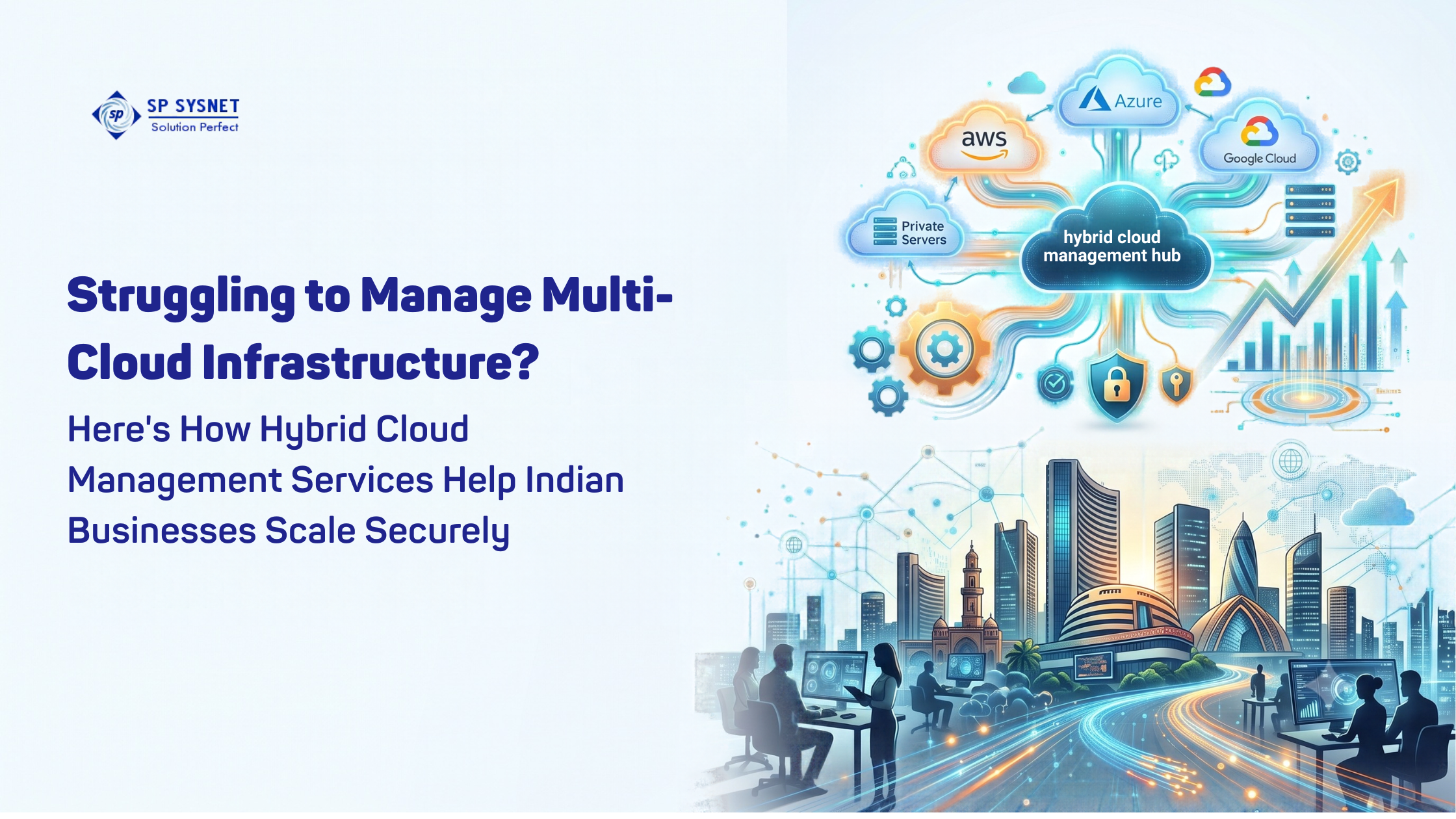
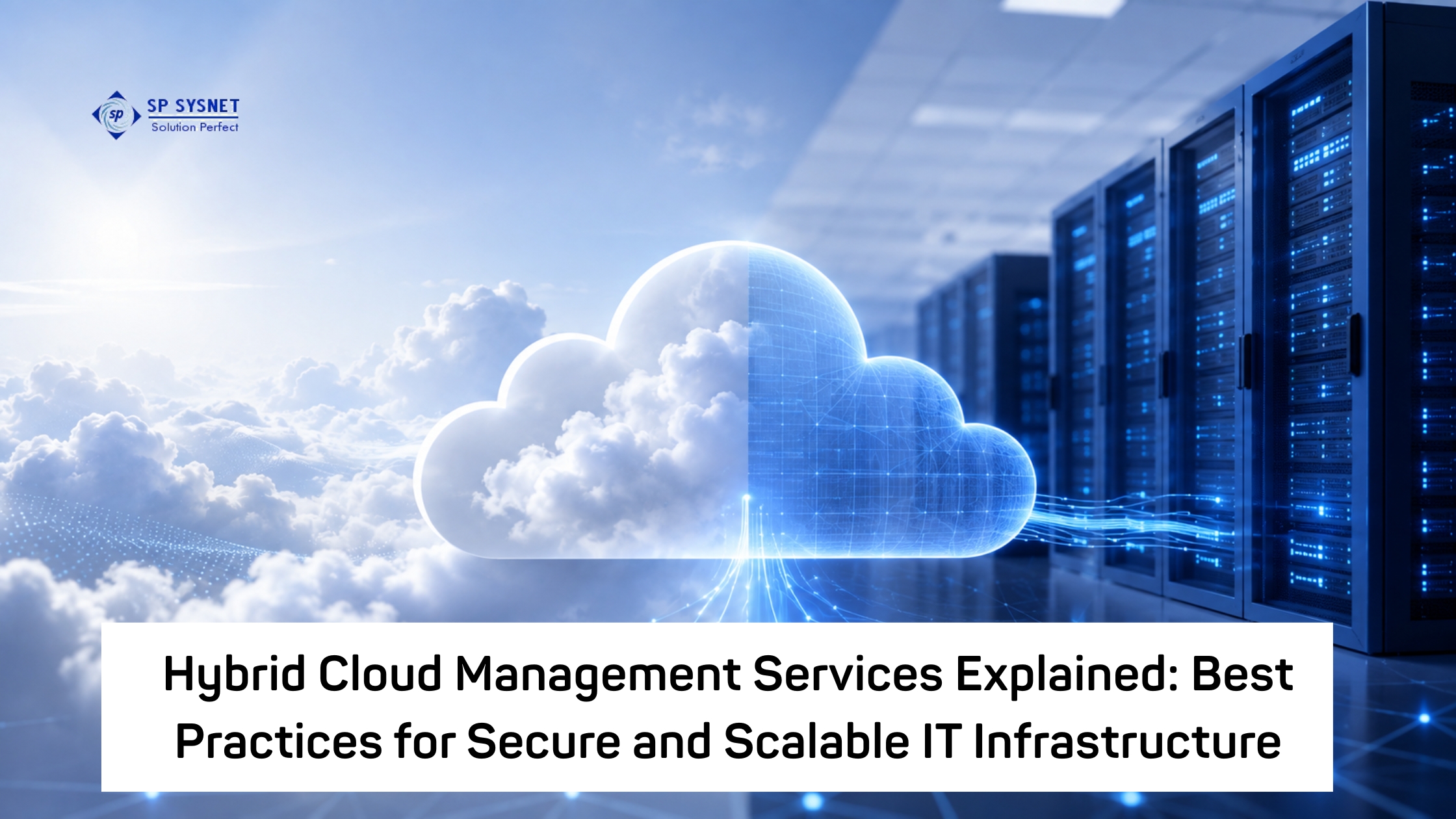

Businesses today rarely rely on just one type of IT environment. Some workloads run in private data centers, while others benefit from the flexibility and scalability of public cloud platforms. This is where hybrid cloud management services become important.
But managing both environments together can get complicated. Different systems, security requirements, applications, and data need to work smoothly without creating unnecessary costs or operational headaches.
So, how can businesses manage a hybrid cloud environment effectively?
What Are Hybrid Cloud Management Services?
Hybrid cloud management services help businesses manage private and public cloud environments as one connected IT infrastructure. Instead of treating each environment separately, the goal is to create a setup where workloads, applications, data, security, and resources can be monitored and managed efficiently.
For example, a company may keep sensitive business data in a private environment while using a public cloud for applications that need additional computing power. With the right management approach, both environments can work together without affecting performance or security.
This approach gives businesses more flexibility while allowing them to make better use of their existing IT investments.
Why Is Hybrid Cloud Infrastructure Management Important?
Managing a hybrid environment isn’t simply about connecting two clouds. It requires visibility and control across different platforms.
Hybrid cloud infrastructure management can help businesses:
- Monitor workloads across private and public environments
- Improve resource utilization and control cloud costs
- Maintain consistent security policies
- Manage applications and data more efficiently
- Scale resources when business demand changes
- Identify performance issues before they affect users
Without proper management, a hybrid environment can quickly become difficult to monitor and maintain.
Read More: Why Enterprises Are Investing More in Hybrid Cloud Infrastructure Management
What Are the Best Practices for Managing a Hybrid Cloud?
There isn’t a single formula that works for every organization, but a few practical strategies can make hybrid cloud management much easier.
1. Start With a Clear Infrastructure Strategy
Before moving workloads or connecting environments, businesses should understand what they already have. Identify applications, servers, data, dependencies, and business requirements.
A clear strategy helps determine which workloads should remain on-premises and which can benefit from cloud resources. It also makes future expansion easier.
For organizations looking to strengthen their overall IT infrastructure, planning should always come before implementation.
2. Make Security a Priority
A hybrid environment creates more points that need protection. Data can move between different systems and platforms, making security visibility especially important.
Businesses should use strong access controls, encryption, identity management, network monitoring, and regular security assessments. Security policies should also remain consistent across both cloud and on-premises environments.
The objective is simple: users should be able to access what they need without exposing sensitive systems or information.
3. Keep an Eye on Performance
A hybrid cloud can offer excellent flexibility, but poor configuration can lead to slow applications and unexpected downtime.
Regular monitoring helps IT teams understand resource usage, application performance, network traffic, and potential bottlenecks. This allows problems to be addressed before they become major business disruptions.
Reliable networking solutions are also essential because communication between environments needs to remain stable and efficient.
Can Hybrid Cloud Management Reduce IT Costs?
It can, when the environment is managed properly.
One of the biggest advantages of a hybrid model is that businesses don’t have to place every workload in an expensive or oversized environment. They can choose resources based on workload requirements.
However, cloud costs can become difficult to control when resources are left running unnecessarily or workloads aren’t optimized. Regular cost reviews, resource monitoring, and workload optimization can help businesses get better value from their cloud investments.
How Can Businesses Prepare for Future Growth?
Scalability is one of the biggest reasons companies consider hybrid cloud environments. Business requirements can change quickly, and infrastructure needs to keep up.
A well-managed hybrid environment allows organizations to add resources, move workloads, and adapt to changing requirements without completely redesigning their IT setup.
This is where experienced technology partners can make a real difference. SP Sysnet brings over a decade of experience helping businesses build and manage robust IT environments, with a customer-first approach that focuses on long-term business needs rather than one-size-fits-all solutions.
Is Hybrid Cloud Right for Every Business?
Not necessarily. The right approach depends on an organization’s applications, security requirements, budget, compliance needs, and growth plans.
For some businesses, a fully cloud-based environment may make more sense. Others may benefit from keeping critical workloads on-premises while using public cloud resources for flexibility.
The key is choosing an environment that supports the business—not simply following the latest technology trend.
Frequently Asked Questions
What is hybrid cloud management?
Hybrid cloud management is the process of managing private and public cloud resources together. It includes monitoring workloads, managing resources, maintaining security, optimizing performance, and controlling costs across the different environments.
What are the benefits of hybrid cloud management services?
Hybrid cloud management services can help businesses improve flexibility, scalability, security, resource utilization, performance monitoring, and cost management while maintaining greater control over their IT infrastructure.
Is hybrid cloud more secure than public cloud?
Hybrid cloud is not automatically more secure. Security depends on how the environment is designed and managed. Strong identity controls, encryption, monitoring, access policies, and regular security assessments are important for protecting both private and public cloud environments.
How does hybrid cloud help reduce IT costs?
Hybrid cloud allows businesses to place workloads in environments that match their requirements. By monitoring resource usage, removing unnecessary resources, and optimizing workloads, organizations can potentially reduce wasted infrastructure and cloud spending.
Can hybrid cloud infrastructure scale with business growth?
Yes. One of the key advantages of a hybrid approach is flexibility. Businesses can add cloud resources when demand increases while continuing to use existing private infrastructure for workloads that require greater control.
Do businesses need professional hybrid cloud management?
It depends on the complexity of the environment and the capabilities of the internal IT team. Professional support can be useful when businesses manage multiple platforms, have limited internal resources, or need help with security, performance, cost optimization, and ongoing infrastructure management.
Final Thoughts
Hybrid cloud can give businesses the best of both worlds: the control of private infrastructure and the flexibility of public cloud. But getting those benefits requires thoughtful planning, consistent security, performance monitoring, and ongoing management.
With the right hybrid cloud management services, organizations can build an IT environment that is more secure, flexible, scalable, and easier to manage.
SP Sysnet helps businesses approach their technology infrastructure with practical solutions designed around their specific requirements, helping turn complex IT environments into infrastructure that supports long-term growth.